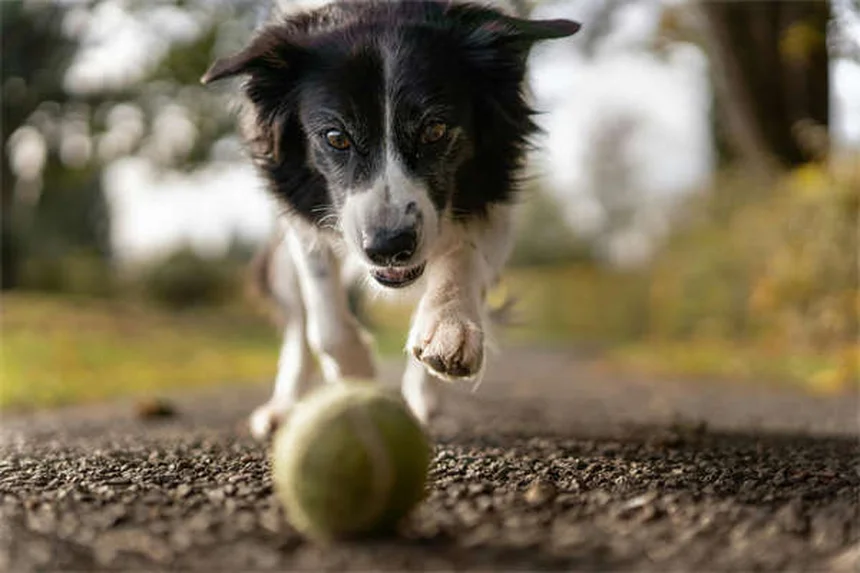
5 Vet-Approved Appetite Stimulants for Dogs That Actually Work
Why won't my dog eat? The answer is simple: there are dozens of reasons dogs lose their appetite, from dental pain to stress. As a dog owner myself, I've been through this scary situation multiple times. The good news? There are proven ways to get your pup eating again. In this guide, we'll share the 5 most effective appetite stimulants vets recommend, including some simple tricks you can try at home tonight. Whether your dog is recovering from surgery or just being picky, we've got solutions that work.
E.g. :Why Do Dogs Roll in Dead Animals? 5 Surprising Reasons Explained
- 1、Why Won't My Dog Eat? Common Causes Explained
- 2、Vet-Approved Ways to Boost Your Dog's Appetite
- 3、5 Vet-Recommended Appetite Boosters
- 4、Medications That Make Dogs Hungry
- 5、When to Panic About Appetite Loss
- 6、Creating a Dog-Friendly Eating Environment
- 7、Special Cases: Puppies and Senior Dogs
- 8、The Science Behind Canine Appetite
- 9、Creative Feeding Solutions
- 10、Understanding Breed-Specific Needs
- 11、The Emotional Side of Feeding
- 12、When Home Remedies Aren't Enough
- 13、FAQs
Why Won't My Dog Eat? Common Causes Explained
Physical Health Issues That Affect Appetite
Let's be honest - when your pup turns their nose up at dinner, it's worrying. I've been there too! Dogs can lose their appetite for dozens of reasons, and some are more serious than others. Dental problems like sore gums or broken teeth make chewing painful. Stomach issues from eating something weird (we all know dogs will eat anything!) can cause nausea.
Remember when my neighbor's golden retriever stopped eating last summer? Turns out he had intestinal parasites from drinking pond water. After treatment, he was back to stealing sandwiches off the counter! Other medical causes include infections, organ disease, or even cancer. The key is noticing how long the appetite loss lasts and if other symptoms appear.
Emotional Factors You Might Not Consider
Dogs feel stress just like we do. Did you know changes in routine can make dogs stop eating? A new baby, moving houses, or even rearranging furniture can upset sensitive pups. Older dogs sometimes develop "doggy dementia" that affects their eating habits.
Here's a funny story - my friend's beagle refused to eat for days after they got a Roomba! The vacuum's noise stressed him out. Once they fed him in a quiet room, his appetite returned. This shows how emotional factors can impact eating as much as physical ones.
Vet-Approved Ways to Boost Your Dog's Appetite
 Photos provided by pixabay
Food Tricks That Actually Work
Before trying medications, test these simple food tricks vets recommend:
| Method | How It Helps | My Experience |
|---|---|---|
| Warming food | Enhances smell | Works 80% of the time for my picky poodle |
| Adding broth | Makes kibble more appealing | Low-sodium chicken broth is our go-to |
| Hand feeding | Provides comfort | Great for anxious dogs |
Pro tip: boiled chicken breast is the ultimate appetite booster in our house. Just make sure it's plain - no onions, garlic or seasoning! I keep pre-cooked portions in the freezer for emergencies.
When to Consider Medication
Sometimes food tricks aren't enough. That's when vets might suggest appetite stimulants. But here's a question: How do you know when it's time for medication? The answer is simple - when your dog's health is at risk from not eating.
For example, dogs on chemotherapy often need mirtazapine because treatment makes them nauseous. My cousin's lab took Entyce® after surgery and it worked wonders. These medications help while the body heals from the real issue causing appetite loss.
5 Vet-Recommended Appetite Boosters
1. The Chicken Trick (Works Every Time!)
I swear by this method! Plain boiled chicken is like doggy crack. Here's how to do it right:
• Use skinless, boneless breasts
• Cook thoroughly with no seasoning
• Shred into small pieces
• Mix with regular food or serve alone
Last winter when our terrier had the flu, chicken was the only thing he'd eat for days. We gradually mixed his kibble back in as he recovered. This trick has saved many mealtimes in our house!
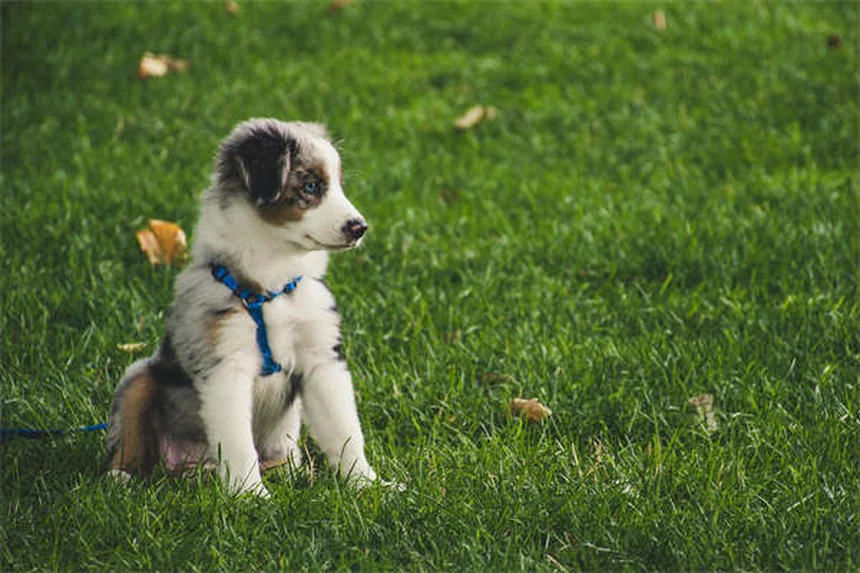 Photos provided by pixabay
Food Tricks That Actually Work
You might laugh, but acupuncture can seriously help dogs with chronic conditions. It reduces nausea and pain that kill appetite. Our vet recommended it for our senior dog with kidney disease.
After three sessions, he was eating like a puppy again! The treatment stimulates natural hunger signals. While it doesn't cure diseases, it makes dogs feel better enough to eat. Many specialty vets now offer this service.
Medications That Make Dogs Hungry
Mirtazapine - The Hunger Pill
Originally an antidepressant, vets noticed this drug had a handy side effect - it makes you starving! Now it's commonly prescribed for dogs with:
• Cancer treatment side effects
• Chronic kidney disease
• Recovery from major surgery
My aunt's dachshund takes mirtazapine weekly for his heart condition. She says he acts like a vacuum cleaner for an hour after each dose! The effects last about 3 days per pill.
Anti-Nausea Options
Here's something most owners don't realize - dogs often refuse food because they feel queasy, even if they don't vomit. Medications like Cerenia® stop nausea so appetite can return.
Think about when you have an upset stomach - would you want to eat? Exactly! These meds treat the root cause of appetite loss rather than just stimulating hunger. Our vet keeps them on hand for tummy bug cases.
When to Panic About Appetite Loss
 Photos provided by pixabay
Food Tricks That Actually Work
While some appetite changes are normal, these signs mean call the vet immediately:
• Not eating for over 48 hours
• Repeated vomiting or diarrhea
• Lethargy or weakness
• Signs of pain like whining
Puppies and seniors are especially vulnerable. Did you know a tiny puppy can develop dangerous low blood sugar in just 12 hours without food? That's why quick action matters.
The Big Question: Is CBD Helpful?
Can CBD really boost your dog's appetite? The truth is, we don't have enough research yet. While some owners swear by it, most vets recommend proven medications first.
I tried CBD oil when my greyhound was stressed during fireworks season. It calmed her but didn't affect her eating. For appetite issues, stick with vet-approved options that have solid scientific backing.
Creating a Dog-Friendly Eating Environment
Location Matters More Than You Think
Dogs are creatures of habit. Try these placement tips:
• Feed in a quiet, low-traffic area
• Use the same spot consistently
• Elevate bowls for large breeds
• Keep water separate from food
We moved our dog's bowl away from the noisy refrigerator and saw instant improvement! Small changes can make a big difference for sensitive eaters.
The Power of Routine
Dogs thrive on schedules. Try feeding at the same times daily, even on weekends. Measure portions instead of free-feeding. This creates predictable hunger patterns.
Our "breakfast at 7, dinner at 5" routine took a week to establish but now our dogs start pacing at 6:55! Consistency helps their bodies expect and prepare for meals.
Special Cases: Puppies and Senior Dogs
Puppy Feeding Challenges
Growing pups need frequent meals - usually 3-4 times daily. Their tiny stomachs can't hold much but burn energy fast. Watch for:
• Sudden disinterest in food
• Weight loss or slow growth
• Low energy between meals
Our puppy had a phase where he'd only eat if we pretended the kibble was "caught" prey! Sometimes you gotta get creative with youngsters.
Caring for Older Dogs
Senior dogs often need:
• Softer food options
• More frequent, smaller meals
• Added water to prevent dehydration
• Elevated bowls for arthritis
Our 14-year-old lab gets warm bone broth over his kibble now. The smell gets him excited and the extra hydration helps his aging kidneys. Small adjustments keep golden years golden!
The Science Behind Canine Appetite
How a Dog's Sense of Smell Affects Eating
Did you know your dog's nose has up to 300 million scent receptors compared to our measly 6 million? That's why warming food works so well - it releases more aroma molecules. When my labrador had nasal congestion from allergies, he completely ignored his bowl until we started microwaving his meals for 10 seconds.
Here's something fascinating - dogs can actually smell different macronutrients. Research shows they're particularly drawn to the scent of fats and proteins. That explains why adding a teaspoon of salmon oil to kibble often does the trick! Next time your pup refuses dinner, try this simple trick I learned from a veterinary nutritionist.
The Gut-Brain Connection in Dogs
You've probably heard about probiotics for humans, but did you know they can help picky eaters too? A healthy gut microbiome produces neurotransmitters that regulate appetite. After our terrier's antibiotic treatment, we gave him plain yogurt with live cultures and saw his appetite return within days.
Ever notice how your dog seems hungrier after exercise? That's not just burning calories - physical activity stimulates ghrelin, the "hunger hormone." Our daily 4pm fetch session has become the perfect pre-dinner appetite booster. Who knew playtime could be part of the solution?
Creative Feeding Solutions
Turning Mealtime Into Playtime
For dogs who've lost interest in food, puzzle feeders can work miracles. I was skeptical until trying the Kong Wobbler with our disinterested dachshund. Watching him bat it around to release kibble pieces brought back his enthusiasm for eating. Now we rotate between three different puzzle toys to keep things exciting.
Here's a comparison of popular interactive feeders:
| Type | Best For | Difficulty Level |
|---|---|---|
| Slow-feed bowls | Fast eaters | Easy |
| Snuffle mats | Nose-driven dogs | Medium |
| Lick mats | Anxious eaters | Variable |
The key is matching the challenge level to your dog's abilities. Start simple and increase difficulty as their interest grows. You'll be amazed how quickly they associate food with fun again!
The Magic of Food Rotation
Have you ever gotten bored eating the same meal every day? Dogs do too! Rotating between 3-4 high-quality foods prevents taste fatigue. We maintain a "menu" of different proteins - chicken, beef, fish, and lamb - switching every few days.
But here's an important question: How do you transition foods without upsetting your dog's stomach? The answer is gradual mixing over 5-7 days. Start with 25% new food mixed with 75% old, slowly increasing the ratio. This method has never failed us, even with our sensitive-stomached shepherd.
Understanding Breed-Specific Needs
Small Breeds vs. Large Breeds
Toy breeds like Chihuahuas have faster metabolisms and smaller stomachs, needing frequent small meals. Our neighbor's Yorkie eats four times daily! Meanwhile, giant breeds like Great Danes benefit from raised feeders to prevent bloat. See how different body types require unique approaches?
Here's an interesting fact - brachycephalic breeds (those cute smush-faced dogs) often struggle with flat food bowls. Switching to a slanted bowl helped our pug eat more comfortably. Sometimes the simplest adjustments make the biggest difference!
Working Dogs vs. Lap Dogs
Active herding or hunting breeds naturally have bigger appetites to fuel their energy needs. When our border collie went through a picky phase during winter, increasing his exercise solved the problem. Contrast that with our bulldog who'd happily sleep through meals - we had to establish strict feeding times for him.
Did you know scent hounds like beagles are particularly motivated by smell? Adding aromatic toppings like parmesan cheese (just a pinch!) can entice them to eat. Every breed has unique traits that influence their eating habits - understanding yours makes all the difference.
The Emotional Side of Feeding
Your Energy Affects Your Dog's Appetite
Dogs are incredibly attuned to our emotions. If you're anxious about your dog not eating, they'll pick up on that stress. I learned this the hard way when hovering over our rescue mutt during meals. Once I started acting casual about feeding time, so did she!
Try this experiment: serve your dog's food with zero eye contact or expectation, then walk away. You might be surprised how often they'll eat when the pressure's off. It's like when you're not hungry until someone mentions dessert - suddenly your appetite appears!
The Comfort of Ritual
Creating simple pre-meal routines can signal it's time to eat. We always say "go to your kitchen" before filling bowls, and our dogs come running. Other owners use specific sounds like shaking a treat jar or tapping the bowl twice. These cues become powerful appetite triggers over time.
Remember how Pavlov's dogs salivated at the sound of a bell? You can create positive associations too! Our current ritual involves giving each dog a quick ear scratch before placing their bowls down. Now they get excited just seeing me reach for their ears.
When Home Remedies Aren't Enough
Signs You Need Professional Help
While most appetite issues resolve with simple fixes, some situations demand veterinary attention. Rapid weight loss, excessive thirst, or dramatic behavior changes alongside appetite loss are red flags. Our vet friend always says, "Better an unnecessary visit than a missed diagnosis."
Here's a sobering statistic - 60% of dogs over age 7 develop conditions affecting appetite. Regular senior bloodwork can catch problems early. We learned this when our 9-year-old mix's routine panel revealed thyroid issues impacting her eating.
The Power of Second Opinions
If your gut says something's wrong but tests come back normal, don't hesitate to seek another vet's perspective. Our first vet dismissed our terrier's appetite changes as "just aging," but the second vet found a dental abscess hiding under his gum line. Trust your instincts as the person who knows your dog best!
Modern veterinary medicine offers amazing diagnostic tools now. From ultrasounds to specialized blood tests, we have more options than ever to uncover hidden causes of appetite loss. The key is persistence and advocating for your furry family member.
E.g. :Appetite Stimulants for Dogs | PetMD
FAQs
Q: How long can a healthy dog go without eating before it's dangerous?
A: Here's what every dog owner needs to know - while adult dogs can technically survive without food for several days, you should never wait more than 48 hours before calling your vet. I learned this the hard way when my terrier refused meals for just one day and turned out to have pancreatitis. Puppies and senior dogs are even more vulnerable - they can develop dangerous low blood sugar in just 12-24 hours. The bottom line? If your dog skips two meals in a row, it's time for professional advice. Better safe than sorry when it comes to our furry friends' health!
Q: What's the safest homemade appetite stimulant I can try first?
A: Hands down, plain boiled chicken breast is the safest and most effective homemade solution. I've used this trick for years with my dogs and it rarely fails. Just remember: no seasoning, no skin, no bones. Simply boil the chicken until fully cooked, shred it into small pieces, and mix with your dog's regular food or serve alone. The strong smell and familiar protein source often kickstart their appetite. Pro tip from my vet: warm the chicken slightly before serving to enhance the aroma. It's amazing how this simple solution works when dogs are feeling under the weather!
Q: Are human appetite stimulants safe for dogs?
A: Absolutely not! This is a question I hear often, and the answer is crystal clear - never give your dog human medications without veterinary approval. Many common human appetite stimulants contain ingredients that are toxic to dogs. For example, the supplement cyproheptadine (Periactin) that some people use can cause serious side effects in pets. Instead, ask your vet about dog-specific options like mirtazapine or Entyce®. These are formulated specifically for canine metabolism and have been thoroughly tested for safety. Remember, when it comes to medications, what works for you could be deadly for your pup!
Q: How can I tell if my dog's loss of appetite is serious?
A: As someone who's nursed multiple dogs through various health issues, I look for these red flags that mean immediate vet attention is needed: vomiting more than once in 24 hours, diarrhea (especially if bloody), obvious pain symptoms like whining or trembling, extreme lethargy, or any neurological signs like stumbling. Also watch for rapid weight loss - if you can suddenly see ribs that weren't visible before, that's a major warning sign. Trust your gut too - if your dog's behavior seems "off" in addition to not eating, don't wait. It's always better to get professional advice early when dealing with appetite issues.
Q: Can changing my dog's feeding routine help with appetite problems?
A: You'd be surprised how much difference simple routine changes can make! After struggling with my picky eater, our vet suggested these proven strategies: feed at the exact same times daily (dogs thrive on predictability), create a quiet feeding zone away from household traffic, try elevating the food bowl (great for large breeds), and consider switching from free-feeding to measured meals. We saw improvement within a week! For anxious dogs, hand-feeding small amounts can build confidence. The key is consistency - stick with any new routine for at least 7-10 days before deciding if it's working. Small changes often yield big results!