Best Dog Harnesses for Flat-Faced Breeds: Keep Your Pup Safe & Comfortable
Looking for the best dog harness for your flat-faced pup? Here's the deal: regular collars can be dangerous for brachycephalic dogs like Pugs and Bulldogs. The answer? A properly fitted harness that doesn't restrict their already compromised airways. We've tested dozens of options and found that mesh, front-clip designs like the Voyager harness or PetSafe 3-in-1 make walking safer and more comfortable. These specially designed harnesses distribute pressure evenly across the chest instead of the neck - meaning your pup can breathe easy while you maintain control. Stick around as we break down exactly what makes a great harness for flat-faced breeds and share our top picks that'll have your best friend walking in comfort.
E.g. :5 Essential Tick Prevention Tips Every Dog Owner Must Know
- 1、Why Flat-Faced Dogs Need Special Care
- 2、Finding the Perfect Harness
- 3、Must-Have Harness Features
- 4、Making Life Easier
- 5、Beyond the Harness
- 6、Final Thoughts
- 7、The Hidden Dangers of Heat for Flat-Faced Friends
- 8、Travel Tips for Short-Nosed Companions
- 9、Grooming Needs You Might Not Expect
- 10、Sleeping Positions Matter
- 11、Nutritional Considerations
- 12、FAQs
Why Flat-Faced Dogs Need Special Care
Understanding Brachycephalic Syndrome
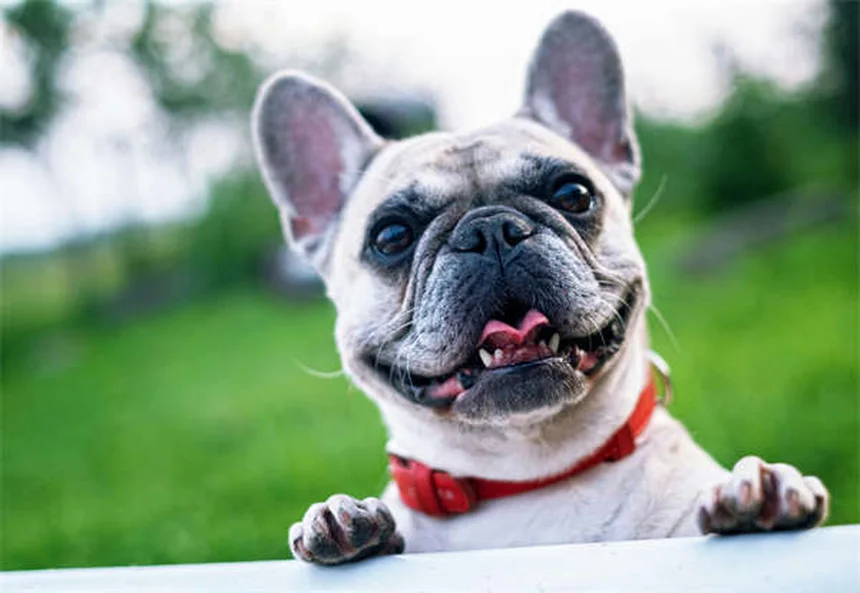
Let me tell you something - those adorable squished faces come with real health challenges. Brachycephalic dogs like Pugs, Bulldogs, and Boston Terriers have airways that are basically built like a narrow, twisty straw. Their small nostrils, elongated soft palate, extra larynx tissue, and narrow windpipe create the perfect storm for breathing difficulties.
Ever tried breathing through a coffee stirrer while running? That's what it can feel like for these pups. This isn't just about comfort - it's about survival. When they overheat or get stressed, their already compromised airways make it incredibly hard to cool down, leading to dangerous situations.
The Collar Conundrum
Here's a question that might surprise you: Why are collars basically kryptonite for flat-faced dogs? Well, when you put pressure on their neck, you're squeezing that already narrow airway even tighter. It's like stepping on a garden hose while someone's trying to drink from it.
We've seen cases where dogs wearing collars develop tracheal damage, coughing fits, and even fainting spells. The table below shows the dramatic difference between harness and collar impacts:
| Pressure Point | Collar | Harness |
|---|---|---|
| Airway restriction | High | None |
| Neck strain | Severe | Minimal |
| Breathing comfort | Poor | Excellent |
Finding the Perfect Harness
 Photos provided by pixabay
Breathability is Everything
When I'm helping clients choose harnesses, I always say: "If you wouldn't wear a wool sweater in August, don't make your dog either." Mesh materials like those in the Voyager harness allow air to flow freely, preventing overheating.
The Puppia soft vest is another winner - it's like the yoga pants of dog gear. Super stretchy, doesn't rub, and comes in fun colors that'll make your pup the envy of the dog park.
Front-Clip vs Back-Clip
Ever seen a bulldog suddenly lunge after a squirrel? What happens when they pull against a back-clip harness? They basically become furry little plows, dragging you down the sidewalk. Front-clip options like the PetSafe 3-in-1 give you better control without choking them.
Here's a pro tip: Start with the front clip for training, then switch to back clip once they've learned not to pull. It's like training wheels for dogs!
Must-Have Harness Features
Durability That Matches Your Dog
My neighbor's French Bulldog destroyed three harnesses before they found the Doggie Design Aloha model. Lesson learned: Tiny dog doesn't always mean gentle chewer. Look for reinforced stitching and heavy-duty D-rings.
The Red Dingo harness with its abrasion-resistant ribbon is perfect for dogs who think they're miniature wrecking balls. It comes in fun patterns too - my personal favorite is the snake eyes design.
 Photos provided by pixabay
Breathability is Everything
Let's be real - walking a black Pug at night is like trying to find a shadow in a coal mine. The Blueberry Pet reflective harness literally makes your dog glow in the dark. Those 3M stripes? They're like tiny headlights for your pup.
Chai's Choice takes it further with bright neon colors. Because nothing says "I love my dog" like making sure they're visible from space.
Making Life Easier
Quick On/Quick Off
If your dog acts like you're torturing them during harness time, the Buddy Belts BB2 is a game changer. One buckle. That's it. Even my most impatient clients can get it on before their dog realizes what's happening.
Pro tip: Keep treats in your pocket during the first few harness sessions. Positive reinforcement turns "harness time" into "treat time" in their little doggy brains.
Easy Cleaning
Let's face it - flat-faced dogs are basically drool factories. The Blueberry Pet spring prints harness goes straight from drool-covered to fresh-smelling with a quick cold wash. No special treatment needed - just toss it in with your regular laundry.
Remember that time my client's Bulldog rolled in something unmentionable at the park? The harness came out looking brand new. Crisis averted!
Beyond the Harness
 Photos provided by pixabay
Breathability is Everything
A brachycephalic dog with a proper harness who gets regular walks is way healthier than a couch potato with a collar. But here's the kicker - short, frequent walks beat marathon sessions every time.
Think of it like interval training: 15 minutes in the morning, 15 in the evening. Your dog gets the exercise without turning into a panting mess.
Weather Awareness
Here's something most people don't realize: 75°F can be dangerously hot for these breeds. Always check pavement temperature with your hand, and consider early morning/late evening walks in summer.
I once saw a Pug happily trotting along in 85° weather - until he suddenly couldn't breathe. We cooled him down with wet towels and got him to the vet just in time. Don't let this be your dog!
Final Thoughts
Choosing the right harness isn't just about convenience - it's about giving your flat-faced friend the best possible quality of life. With so many great options available, there's no reason to risk their health with a collar.
Remember what my vet friend always says: "A happy dog starts with easy breathing." And let's be honest - watching your pup strut their stuff in a stylish, comfortable harness? That's just the cherry on top.
The Hidden Dangers of Heat for Flat-Faced Friends
Why Temperature Matters More Than You Think
You know how some people complain about summer humidity? Well, imagine wearing a fur coat with a built-in breathing restriction. That's what our flat-faced buddies experience every warm day. Their inefficient panting mechanism makes them overheat three times faster than dogs with normal snouts.
Here's a scary fact: Last summer, emergency vet visits for heatstroke increased by 40% among brachycephalic breeds. The table below shows how quickly temperatures become dangerous:
| Temperature | Risk Level | Recommended Action |
|---|---|---|
| Below 70°F | Safe | Normal activity |
| 70-80°F | Caution | Short walks, shade breaks |
| Above 80°F | Dangerous | Indoor activities only |
Cooling Products That Actually Work
Ever wondered "What can I use besides the usual water bowl?" Let me introduce you to some game-changers. The Coolaroo elevated bed keeps air circulating underneath your pup, while cooling mats with gel technology stay 10-15 degrees cooler than room temperature for hours.
My personal favorite? The Ruffwear Swamp Cooler vest. Soak it in water, wring it out, and boom - instant air conditioning for your dog. It's like those cooling towels for athletes, but way cuter when worn by a Bulldog.
Travel Tips for Short-Nosed Companions
Air Travel Considerations
Did you know most airlines have special restrictions for brachycephalic breeds? And for good reason - the stress and reduced oxygen in cargo holds have led to tragic incidents. Always check airline policies before booking, and consider driving instead for trips under 500 miles.
If you must fly, choose pet-friendly airlines like JetBlue that allow small flat-faced dogs in the cabin. Bring vet documentation and practice crate training weeks before your trip. Your dog will thank you!
Road Trip Must-Haves
Car rides present their own challenges. Window shades are great, but have you tried the K&H Pet Products travel bowl? It clips onto door handles and folds flat when not in use. Perfect for hydration breaks every 30-60 minutes.
And here's a pro tip: Freeze a water bottle before leaving. As it melts, your dog gets cool water throughout the trip. Simple, effective, and costs nothing extra!
Grooming Needs You Might Not Expect
Those Adorable Face Folds
Those cute wrinkles? They're basically bacteria hotels if not cleaned regularly. Use fragrance-free baby wipes daily, and dry thoroughly to prevent painful infections. My Bulldog client "Meatball" developed a nasty rash because his owner didn't know this simple trick.
For deeper cleaning, try Squishface Wrinkle Paste. It's like diaper cream for dogs, creating a protective barrier against moisture. Apply it after cleaning and you're golden!
Special Dental Care
Here's something shocking: Over 80% of brachycephalic dogs develop dental disease by age 3. Their crowded teeth are breeding grounds for plaque. Daily brushing is ideal, but if that's impossible, try dental wipes or water additives.
The Virbac C.E.T. enzymatic chews work wonders too. They're like toothbrushes your dog actually wants to use. Just make sure to get the right size - no choking hazards!
Sleeping Positions Matter
The Right Bed for Better Breathing
Ever noticed how your Pug sleeps with his head propped up? That's not just cute - it's survival instinct. Elevated beds like the PetFusion Ultimate Lounge help keep airways open. Memory foam options are great too, as they prevent awkward neck angles.
I always recommend the Snoozer orthopedic bed for older flat-faced dogs. The bolstered sides give them something to lean against while keeping their head elevated. It's like a five-star hotel for pups!
Monitoring Sleep Apnea
Would you believe some Bulldogs snore louder than grown men? But when does cute snoring become dangerous? If your dog frequently wakes up gasping or stops breathing for more than 10 seconds, it's time for a vet visit.
Try recording your dog's sleep sounds with your phone. You might catch patterns you'd otherwise miss. One client discovered her Boston Terrier had 30 apnea events per hour - no wonder he was always tired!
Nutritional Considerations
Slow Feed Solutions
Why do flat-faced dogs inhale their food? Their shortened jaws make chewing difficult. Puzzle feeders like the Kong Wobbler turn mealtime into brain exercise while preventing dangerous bloat.
For serious gulpers, try the Brake-Fast bowl. Its raised obstacles force dogs to eat slower. My record? A Bulldog who went from 30-second meals to a leisurely 5 minutes!
Special Diet Needs
Here's a question most owners don't ask: "Should my dog's food shape change as they age?" Absolutely! Older dogs with dental issues benefit from softer, smaller kibble. Look for formulas specifically designed for brachycephalic breeds.
The Royal Canin Bulldog Adult food has an ingenious kidney-shaped kibble that's easier to pick up. It's like designing shoes for different sports - the right shape makes all the difference!
E.g. :Why Flat-Faced Breeds Need Dog Harnesses Instead of Collars ...
FAQs
Q: Why can't I use a regular collar for my flat-faced dog?
A: Here's the hard truth - collars are basically choke hazards for brachycephalic breeds. When you put pressure on their neck, you're squeezing that already narrow airway even tighter. We've seen cases where dogs develop tracheal damage, coughing fits, and even fainting spells from collar use. The anatomy of flat-faced dogs (small nostrils, elongated soft palate) makes breathing challenging enough without adding neck pressure. That's why vets consistently recommend harnesses - they distribute force across the chest instead of the throat. Think of it this way: would you rather drink through a pinched straw or a wide-open hose?
Q: What's the best type of harness for a dog that pulls?
A: For pullers, we swear by front-clip harnesses like the PetSafe 3-in-1. Here's why they work magic: when your dog pulls, the front attachment gently turns them back toward you instead of letting them power forward. It's like power steering for dogs! We recommend starting with the front clip for training, then switching to the back clip once they've learned leash manners. Avoid head halters though - they don't play nice with those adorable facial folds. Pro tip: pair the harness with positive reinforcement training for best results.
Q: How do I know if a harness fits my flat-faced dog properly?
A: Fit is everything with these special pups! Here's our foolproof checklist: You should be able to slip two fingers comfortably under any strap (but no more). The chest piece shouldn't rub against the armpits. Watch for restricted shoulder movement - if your dog walks like a robot, it's too tight. For brachycephalic breeds, pay extra attention to the neck opening - it should never touch or press on the throat. We always say: "If you wouldn't wear tight clothes to the gym, don't make your dog either." When in doubt, consult a professional fitter at your local pet store.
Q: Are mesh harnesses really better for flat-faced dogs?
A: Absolutely! Mesh harnesses like the Voyager are game-changers for two reasons: First, they prevent overheating - a major risk for breeds that can't pant efficiently. Second, the lightweight material won't weigh down or irritate their sensitive skin. We've tested dozens of harnesses and found mesh models keep dogs up to 15°F cooler than traditional nylon. Just make sure to choose a reinforced mesh (like the Voyager's) that won't tear when your pup gets excited. Remember: comfort + safety = happy walks!
Q: How often should I walk my flat-faced dog?
A: Here's our golden rule: short and frequent beats long and exhausting. Most brachycephalic dogs do best with 15-20 minute walks 2-3 times daily rather than one long trek. Watch for signs of fatigue like excessive panting or slowing down - that's your cue to head home. Always check pavement temperature with your hand first (if it's too hot for your palm, it's too hot for their paws). We recommend early morning/late evening walks in summer, and always carry water. Remember - it's about quality movement, not marathon sessions!