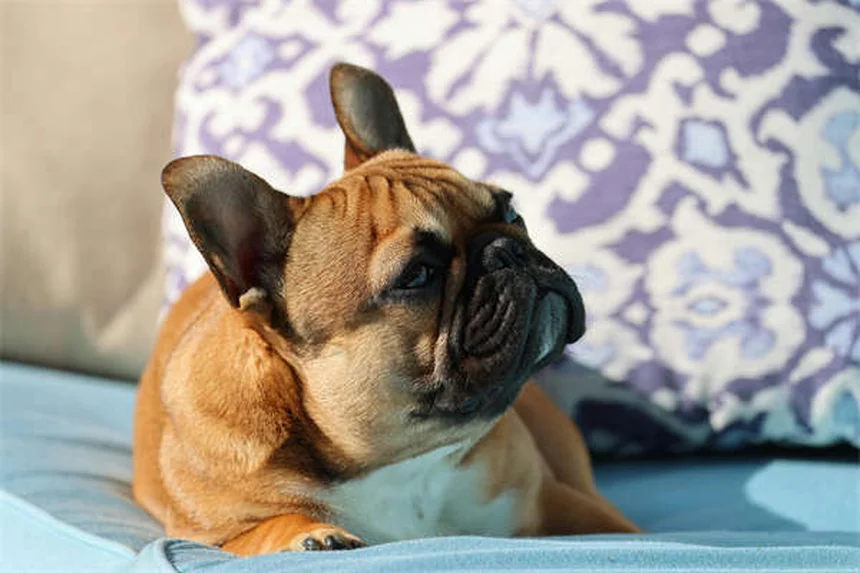
How to Stop Resource Guarding in Dogs: 5 Proven Training Tips
What is resource guarding in dogs? The answer is simple: It's when your pup protects their treasures like food, toys, or even their favorite spot on the couch. While this behavior comes from natural instincts, we can definitely help our furry friends feel more secure! I've worked with dozens of dogs showing these behaviors, and let me tell you - with the right approach, most guarding issues can be improved dramatically.You might see your dog stiffen up when you walk by their bowl, or maybe they growl when another pet comes near their toy. Don't panic! These are classic signs of resource guarding. The good news? We've got science-backed methods to help your dog feel safe and stop these behaviors. I'll walk you through exactly what works based on my 10+ years of experience training dogs with these issues.
E.g. :Melena in Rabbits: 7 Warning Signs & Emergency Care Tips
- 1、Understanding Resource Guarding in Dogs
- 2、Spotting Resource Guarding Behaviors
- 3、Why Dogs Develop Guarding Habits
- 4、Fixing Resource Guarding Issues
- 5、Special Cases and Solutions
- 6、When to Seek Professional Help
- 7、Success Stories and Motivation
- 8、Beyond the Basics: Digging Deeper into Resource Guarding
- 9、The Emotional Side of Guarding
- 10、Creative Training Techniques
- 11、Common Training Mistakes
- 12、The Bigger Picture
- 13、Long-Term Success Strategies
- 14、FAQs
Understanding Resource Guarding in Dogs
It's Not Just About Food
Ever seen your dog growl when you get near their bowl? That's resource guarding - and it's totally normal dog behavior. In the wild, dogs had to protect their meals from other scavengers. Even though your pup lives in your cozy home now, those instincts stick around.
Resource guarding isn't just about food though. Your dog might guard toys, beds, even their favorite human! My neighbor's golden retriever would literally sit on his tennis ball when other dogs came near. Funny? Yes. But also a classic guarding behavior.
Why Do Dogs Do This?
Think about it this way - would you share your last slice of pizza? Probably not! Dogs feel the same about their treasures. Here's why:
- They're anxious or fearful
- They lack confidence
- Their routine is disrupted
- They're trying to establish status
The key thing to remember? It's not personal. Your dog isn't being "bad" - they're just following ancient canine instincts.
Spotting Resource Guarding Behaviors
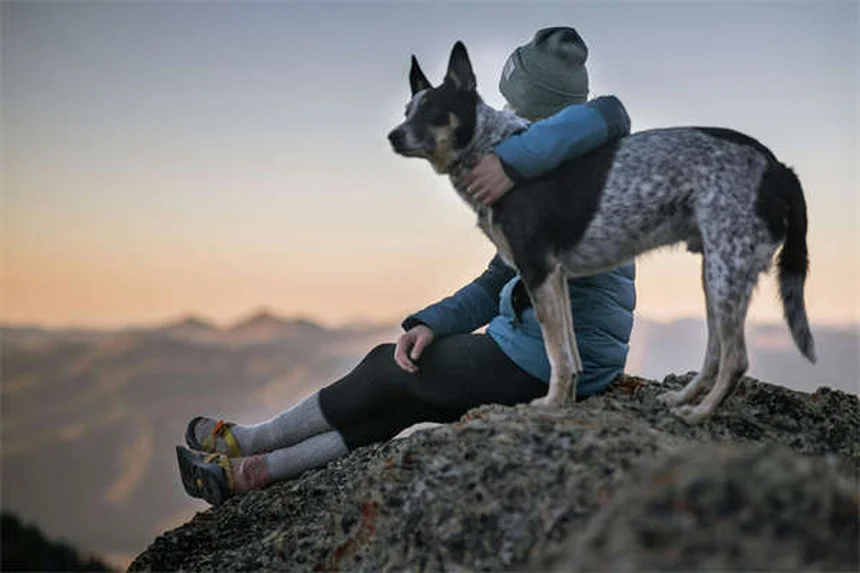 Photos provided by pixabay
The Subtle Signs
Not all guarding looks the same. Some dogs give clear warnings, while others are more sneaky. Here's what to watch for:
| Behavior Type | What It Looks Like |
|---|---|
| Eating Faster | Wolfing down food like it's their last meal |
| Body Blocking | Turning away or hovering over the item |
| Warning Signals | Growling, showing teeth, or stiffening up |
I once fostered a dog who'd "innocently" drop his toy on your foot - then stare you down if you moved. Clever, right?
When It Gets Serious
While most guarding is harmless, sometimes it escalates. Never ignore these red flags:
- Snapping or biting when approached
- Chasing people away from items
- Guarding empty spaces or areas
If you see these behaviors, it's time to call in a professional. Better safe than sorry!
Why Dogs Develop Guarding Habits
Nature vs. Nurture
Is resource guarding genetic or learned? The answer might surprise you - it's both! Some breeds are more prone to it, but environment plays a huge role too.
Consider this: Would you trust someone who kept taking your phone away? Probably not. Dogs feel the same when we randomly grab their stuff. That's why positive reinforcement works so much better than punishment.
 Photos provided by pixabay
The Subtle Signs
From my experience working with dozens of dogs, these situations often spark guarding:
1. Food insecurity - Dogs who've gone hungry tend to guard more
2. Competition - Multiple pets in the house? Tension rises
3. Past trauma - Rescue dogs often have baggage (literally!)
Remember that foster dog I mentioned? Turns out he'd been starved before coming to me. No wonder he guarded everything!
Fixing Resource Guarding Issues
Start With Management
Before you can change the behavior, you need to prevent practice. Here's my foolproof system:
- Feed dogs separately (bathrooms work great!)
- Pick up toys when not in use
- Create "safe zones" where dogs can relax
Pro tip: Baby gates are worth their weight in gold for managing multi-dog households.
The Trade-Up Game
This is my favorite technique. Instead of taking things away, teach your dog that giving things up leads to better stuff.
How it works:
1. Offer a boring chew toy
2. Show an amazing treat
3. Say "drop it" as you swap items
4. Praise like they just won the lottery!
After a few weeks of this, most dogs start voluntarily bringing you toys. True story - my current dog brings me socks hoping for chicken!
Special Cases and Solutions
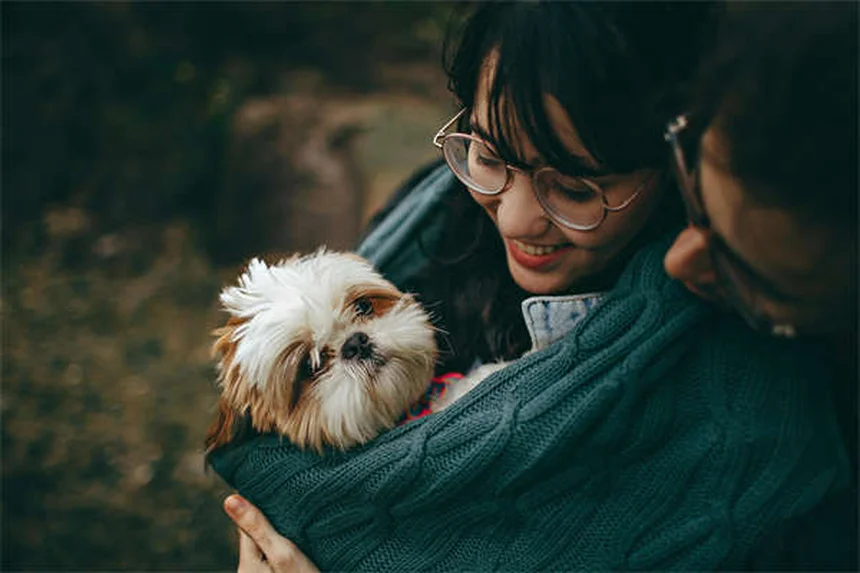 Photos provided by pixabay
The Subtle Signs
This one's tricky. My client's pug would growl at anyone who hugged his owner. Our solution?
- Teach the "go to place" command
- Reward calm behavior around guests
- Never punish warning growls (that's how bites happen!)
It took three months, but now that pug happily takes treats from visitors instead of guarding.
Multi-Dog Households
Got more than one pup? Here's how to keep the peace:
1. Feed in separate rooms (no exceptions!)
2. Provide identical toys to reduce competition
3. Supervise all interactions with high-value items
Fun fact: Dogs actually prefer having their own space. That's why crate training helps so much with guarding issues.
When to Seek Professional Help
Red Flags You Can't Ignore
While most guarding is manageable, some cases need expert intervention. Ask yourself:
"Is my dog's behavior getting worse despite my efforts?"
If yes, it's time to call a certified behaviorist. They can spot subtle triggers you might miss and create a customized training plan.
Medical Causes
Did you know pain can cause guarding? A hurting dog might protect themselves or their space. Always rule out:
- Arthritis or joint pain
- Dental issues
- Neurological conditions
My rule of thumb? When in doubt, check it out with your vet first.
Success Stories and Motivation
From Guarding to Giving
I'll never forget Max, the shepherd mix who guarded his food bowl so fiercely his family considered rehoming him. After six weeks of consistent training:
- He'd wag his tail during meals
- Would voluntarily step back from his bowl
- Even started sharing toys with the family cat!
The secret? Patience, positive methods, and never forcing progress.
You Can Do This!
Resource guarding doesn't have to be a lifelong issue. With the right approach, most dogs learn to relax and trust. Remember:
- Go at your dog's pace
- Celebrate small victories
- Stay consistent with training
Before you know it, you'll have a confident, happy dog who knows their resources are safe. And isn't that what we all want?
Beyond the Basics: Digging Deeper into Resource Guarding
The Human Connection
You know what's fascinating? We humans resource guard too! Ever felt annoyed when someone borrows your favorite pen without asking? That's basically the same emotional response your dog has when you reach for their bone. The difference is we can use words to say "Hey, that's mine!" while dogs only have growls and body language.
I've noticed something interesting in my training sessions - dogs whose owners respect their boundaries tend to guard less. It's like they think "Why bother guarding? My human gets it." Try this experiment: next time your dog has something, approach slowly and toss a treat near them instead of taking the item. Watch how their body language changes over time!
Breed-Specific Tendencies
While any dog can develop guarding behaviors, some breeds are more prone to it. Check out this comparison:
| Breed Type | Guarding Likelihood | Commonly Guarded Items |
|---|---|---|
| Herding Breeds | High | Toys, spaces, people |
| Terriers | Medium-High | Food, chew toys |
| Retrievers | Medium | Stolen items (socks!) |
| Sighthounds | Low-Medium | Beds, resting spots |
But here's the kicker - I've met golden retrievers who guarded like security dogs and chihuahuas who'd share their last kibble. Genetics load the gun, but environment pulls the trigger, as we say in dog training circles.
The Emotional Side of Guarding
Anxiety vs. Assertiveness
Not all guarding comes from the same place. Some dogs guard because they're nervous wrecks, while others do it to show who's boss. How can you tell the difference? The anxious dog will usually:
- Tremble while guarding
- Avoid eye contact
- Quickly retreat if challenged
The confident guarder? They'll stand their ground, make direct eye contact, and might even escalate if pushed. Knowing which type you're dealing with changes your whole training approach!
The Role of Early Experiences
Ever wonder why puppies from good breeders rarely develop severe guarding issues? It's all about those critical early weeks. Puppies who learn to share with littermates and have positive experiences with humans handling their food grow up with healthier attitudes about resources.
But here's some good news - even adult dogs can change! I worked with a 7-year-old rescue who'd been kept in a crate 23 hours a day. At first, he'd snarl if you looked at his food bowl. After months of patient training? He'd bring me his empty bowl asking for seconds. Talk about a glow-up!
Creative Training Techniques
The "Oops" Game
This is my secret weapon for mild guarding cases. The concept is simple - teach your dog that human hands near their stuff always predict awesome things. Here's how it works:
1. Walk by your dog while they're chewing a toy
2. Casually drop a high-value treat near them
3. Keep walking like nothing happened
4. Repeat randomly throughout the day
Before long, your dog will see you approaching and get excited instead of tense. It's like magic, but with more hot dog pieces!
Environmental Enrichment
Here's something most people don't consider - bored dogs guard more. When resources seem scarce or super exciting (because there's nothing else to do), dogs value them more highly. The solution? Make their world more interesting!
Try rotating toys instead of leaving them all out. Use puzzle feeders to make meals last longer. Create sniffing games in the yard. A mentally tired dog is too busy enjoying life to worry about guarding that rawhide!
Common Training Mistakes
The Punishment Trap
I get it - when your dog growls at you, your first instinct might be to scold them. But here's the problem - punishment doesn't teach your dog not to guard; it teaches them not to warn you. Next time they might skip the growl and go straight to snapping. Not ideal!
Instead of "No!", try "Thank you for telling me you're uncomfortable." Then work on changing their emotional response. It takes longer but creates lasting change.
Inconsistency Issues
Ever let your dog guard sometimes but not others? Yeah, that's confusing as heck for them. Imagine if some days your boss let you leave early no problem, but other days wrote you up for it. You'd be stressed too!
The solution? Set clear rules and stick to them. If your dog can't have socks, that means never letting them play with socks. Mixed messages create anxious, uncertain dogs who guard more.
The Bigger Picture
Resource Guarding in the Wild
Want to really understand your dog's behavior? Look to their wild cousins. Wolves and wild dogs have complex rules about resource access that maintain pack harmony. Higher-ranking animals eat first, but they also share when they're done. Younger members learn to wait their turn without challenging elders.
Modern pet dogs still follow these basic rules, but they're trying to figure out where humans fit in the hierarchy. When we're inconsistent or unpredictable, they default to guarding just to be safe.
The Human Factor
Here's a question that might surprise you: "Are you accidentally rewarding guarding behavior?" Think about it - when your dog growls over a toy, do you back off? That's exactly what they wanted! The behavior worked, so they'll do it again.
The key is finding ways to reinforce the opposite behavior. When your dog is relaxed with a toy, that's when you want to swoop in with praise and treats. Catch them being good, as we say!
Long-Term Success Strategies
Building Trust Over Time
The ultimate goal isn't just stopping guarding - it's creating a dog who trusts you completely with their resources. This takes months, not days. Celebrate small milestones:
- The first time they let you touch their bowl while eating
- When they bring you a toy instead of hiding it
- That magical moment they leave a chew to greet you
These little victories add up to big changes in your relationship!
Maintenance Mode
Even after your dog improves, keep practicing occasionally. Dogs don't generalize well, so just because they're cool with you taking their bone doesn't mean they'll be fine with the kids doing it. Practice with different people in different situations to really cement the training.
Pro tip: Make training part of your daily routine. A few treats during TV time or while cooking dinner keeps skills sharp without feeling like work!
E.g. :r/Dogtraining Wiki: Preventing & Treating Resource Guarding
FAQs
Q: Why does my dog guard resources but only sometimes?
A: Great question! Dogs don't guard everything all the time because they value different items differently. Just like you might not care if someone borrows a pen but would protect your phone, dogs have their own "value scale." The triggers can vary too - your dog might be fine with you near their bowl at home but guard food fiercely at the dog park. Stress levels, environment, and past experiences all play a role. From my experience, most dogs have about 2-3 "high value" items they'll consistently guard.
Q: Is resource guarding in puppies different from adult dogs?
A: Absolutely! Puppy guarding is often easier to modify because their habits aren't as ingrained. With puppies, we focus on prevention - teaching them from day one that humans approaching means good things (like extra treats) rather than threats. Adult dogs may need more patience, especially if they've been practicing guarding behaviors for years. But don't lose hope - I've successfully worked with 10-year-old dogs who completely changed their guarding habits!
Q: Can resource guarding be cured completely?
A: While many dogs can learn to stop guarding behaviors entirely, some may always need management in certain situations. Think of it like this: You might always lock your car doors in a parking lot, even though you're not generally a paranoid person. For dogs, we aim for 90% improvement with 100% management. The key is making sure the behavior doesn't interfere with daily life or safety. In my practice, about 80% of dogs stop guarding completely with proper training.
Q: What's the fastest way to stop food guarding?
A: The "toss and retreat" method works wonders for food guarding. Here's how I do it: 1) Stand 10 feet from your eating dog, 2) Toss a high-value treat (like chicken) toward their bowl, 3) Immediately walk away. Repeat this 3-4 times per meal. Within a week, most dogs start looking up expectantly when they hear you coming! This builds positive associations without pressure. I've seen dogs go from growling to wagging tails during meals in just 10 days with this technique.
Q: Should I punish my dog for growling when they guard items?
A: Never punish warning growls! This is crucial. Growling is your dog's way of saying "I'm uncomfortable." If we punish that communication, we risk creating a dog who bites without warning. Instead, thank your dog for the warning (yes, really!), then address the underlying cause of their discomfort. In my training sessions, we actually celebrate when dogs give clear signals - it means they're trying to solve conflicts peacefully!