Can Dogs Get Colds? 5 Surprising Facts About Canine Respiratory Illness
Can dogs get colds? The answer is: Dogs can't catch human colds, but they absolutely can get their own versions of respiratory illnesses that look similar! I've been researching this topic for years, and here's what every dog owner needs to know: While Fido won't catch your sniffles, there's a whole world of canine-specific viruses and bacteria that can make your pup just as miserable as you feel during cold season. The good news? Most dog colds clear up on their own within 1-2 weeks. But you'll want to watch for warning signs like lethargy or loss of appetite - that's when it's time to call your vet. Let me break down what's really going on when your dog starts sneezing or develops that telltale honking cough.
E.g. :Can Horses Swim? 5 Amazing Facts About Equine Swimming
- 1、Wait - Can Dogs Actually Catch Our Common Cold?
- 2、Where Do Dogs Pick Up These Germs?
- 3、Can I Give My Cold to My Dog?
- 4、What Does a Dog Cold Look Like?
- 5、How Do Vets Figure Out What's Wrong?
- 6、Treating Your Dog's Cold
- 7、Keeping Your Dog Healthy
- 8、What About Other Pets? Can Cats Get Dog Colds?
- 9、Can Weather Changes Make Dogs More Susceptible?
- 10、What About Essential Oils and Natural Remedies?
- 11、How Does Age Affect Dog Respiratory Health?
- 12、Can Diet Affect Dog Respiratory Health?
- 13、What Role Does Exercise Play?
- 14、FAQs
Wait - Can Dogs Actually Catch Our Common Cold?
You know that annoying runny nose and cough you get every winter? Well, here's some good news - your dog can't catch your cold! But before you start sharing tissues with Fido, let me explain what's really going on.
The Truth About Dog "Colds"
When your pup starts sneezing or develops a cough, you might think they've caught your cold. But here's the fascinating part - dogs have their own set of respiratory bugs that cause similar symptoms. It's like comparing apples to oranges - they might look similar but are completely different!
The viruses that make us miserable (rhinoviruses) don't affect dogs at all. Instead, our canine friends deal with their own troublemakers like canine adenovirus, parainfluenza virus, or the bacteria Bordetella bronchiseptica (the main culprit behind kennel cough). These pathogens form what vets call the Canine Infectious Respiratory Disease (CIRD) complex - basically the dog version of our common cold.
How Long Do Dog "Colds" Last?
Here's something interesting I learned from Dr. Jane Sykes, an infectious disease expert at UC Davis: Most canine respiratory infections clear up within 1-2 weeks. But recently, there's been talk about some mystery illness lasting up to 8 weeks!
| Type of Illness | Typical Duration | When to Worry |
|---|---|---|
| Mild CIRD | 1-2 weeks | If symptoms persist beyond 2 weeks |
| Severe Cases | 3-8 weeks | Immediately if breathing difficulties occur |
Now, here's a question you might be wondering: Could this be a brand new dog virus? Dr. Sykes says maybe - but it could also be our old enemies teaming up to cause more trouble than usual. Either way, if your pup's cough lasts more than a few days or they stop eating, that's your cue to call the vet!
Where Do Dogs Pick Up These Germs?
Imagine this: You drop your dog off at daycare, and a week later they're coughing like they've been smoking cigars. Sound familiar? Let's talk about where these pesky germs lurk.
 Photos provided by pixabay
Germ Hotspots for Dogs
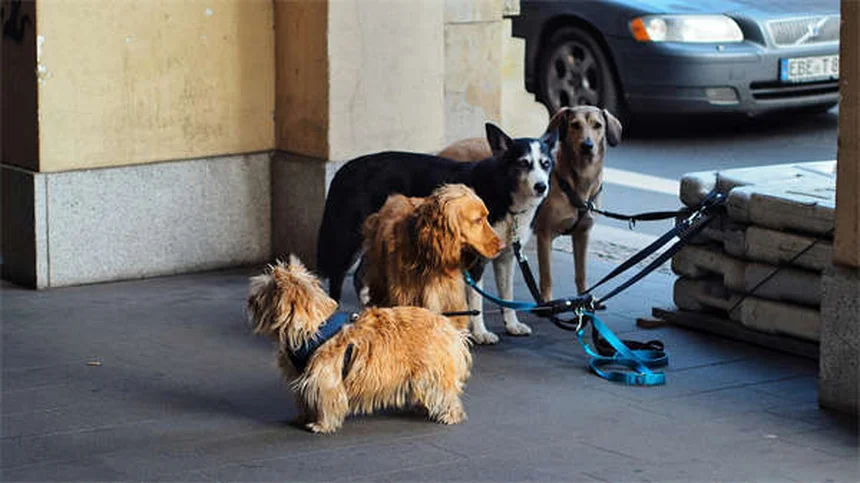
You'd be surprised how many places can turn into germ parties for dogs. Here are the top offenders:
- Doggy daycares (basically preschool for pups) <
- Boarding facilities (doggy summer camp)
- Grooming salons (where beauty meets bacteria)
- Dog parks (the canine equivalent of a crowded subway)
But here's the good news - you don't need to become a hermit! Dr. Sykes suggests simple precautions like keeping sick dogs home and making sure new pups have a 2-week "getting to know you" period before mingling. And of course, vaccinations are your best defense - think of them as your dog's personal bodyguards.
What About Vet Visits?
Here's a pro tip: If you think your dog might be sick, give your vet a heads up when scheduling. Tell them about any germy places your pup's visited recently. This helps them protect other patients - it's like calling ahead to say "Hey, my kid has chickenpox" before showing up at the pediatrician's office.
Can I Give My Cold to My Dog?
You're sniffling on the couch with your loyal pup by your side, and suddenly you wonder: "Did I just give Fido my cold?" Let's settle this once and for all.
The Species Barrier
Dr. David Israel from Veterinary Emergency Group puts it simply: "Human cold viruses and dog cold viruses are like two different languages - they don't understand each other." The viruses that make you miserable generally can't affect your dog, and vice versa.
Now, you might have heard about dogs testing positive for COVID-19. But here's the reassuring part - most showed no symptoms or just mild ones. It's like when your phone gets a virus but still works fine - annoying but not catastrophic.
 Photos provided by pixabay
Germ Hotspots for Dogs
Here's something fascinating: Viruses can sometimes pull a fast one and jump between species. It's rare, but it happens. That's why Dr. Israel recommends calling your vet at the first sign of trouble - better safe than sorry when it comes to your furry friend's health!
What Does a Dog Cold Look Like?
Picture this: Your usually energetic pup is now a couch potato with a runny nose. But dog cold symptoms can be tricky - some dogs show barely any signs while others act like they're starring in a canine version of "The Flu Games."
Common Symptoms to Watch For
Keep an eye out for these telltale signs:
- That classic honking cough (sounds like they're trying to start a car)
- Runny nose (but is it allergies or something more?)
- Goopy eyes (the canine equivalent of morning crusties)
- Suddenly becoming a picky eater (turning down treats? Now that's serious!)
Here's a question that might surprise you: Did you know some dogs with kennel cough act completely normal except for that annoying cough? It's true! They might still have energy, play normally, and eat like horses - making it easy to dismiss as "just a cough."
When It Gets Serious
Flat-faced breeds like Bulldogs and Pugs need extra attention - their already cramped airways make respiratory infections riskier. And for puppies, seniors, or dogs with weak immune systems, what starts as a simple cold can turn into pneumonia faster than you can say "vet emergency."
How Do Vets Figure Out What's Wrong?
You rush your coughing dog to the vet, expecting a quick answer. But here's the reality - diagnosing dog respiratory issues can be as tricky as solving a mystery novel with too many suspects.
 Photos provided by pixabay
Germ Hotspots for Dogs
Vets have to play detective because many illnesses share similar symptoms. Is it allergies? Heart disease? Or just a simple cold? They might:
- Take swabs (like a canine COVID test)
- Listen to the lungs (stethoscope to the rescue!)
- Run blood tests (checking for hidden clues)
The process reminds me of when my car makes a weird noise - the mechanic has to check several things before finding the real issue. Same with your pup - sometimes it takes some digging to get to the root of the problem.
Treating Your Dog's Cold
Here's some good news - many dog "colds" clear up on their own, just like ours do. But that doesn't mean you should ignore them completely.
Home Care vs. Vet Care
For mild cases, your vet might recommend:
- Plenty of rest (Netflix and snuggle time)
- Good hydration (maybe some low-sodium chicken broth to tempt them)
- Humidifier use (creating a mini spa atmosphere)
But if your dog stops eating, becomes lethargic, or has trouble breathing, that's your signal to skip the home remedies and head straight to the vet. Severe cases might need:
- IV fluids (like a canine Gatorade drip)
- Oxygen therapy (a doggy oxygen bar)
- Antibiotics (when bacteria are the culprits)
Keeping Your Dog Healthy
Prevention is always better than treatment, right? Here's how to keep your pup's respiratory system in tip-top shape.
Vaccination Is Key
Think of vaccines as your dog's personal armor against the most common respiratory villains. Dr. Sykes emphasizes keeping up with:
- Bordetella (kennel cough) vaccine
- Canine influenza shots
- DHPP (covers several nasty viruses)
It's like giving your dog a superhero shield - it might not block everything, but it sure helps against the major threats!
Smart Socializing
New puppy? Give them a two-week "quarantine" before introducing them to other pets. Sick dog? Keep them home until they're fully recovered. And maybe skip sharing water bowls at the dog park - it's like not sharing drinks at a party during flu season!
When to Sound the Alarm
Trust your gut - you know your dog better than anyone. If something seems off, especially with their breathing or energy levels, don't wait. Call your vet. After all, wouldn't you want someone to take your sniffles seriously if you couldn't speak for yourself?
What About Other Pets? Can Cats Get Dog Colds?
Now here's something you might not have considered - while your dog can't catch your cold, what about the other furry members of your household? The pet-to-pet transmission game gets really interesting!
The Feline Factor
You'd think cats and dogs living together would share everything, right? Well, when it comes to colds, nature built some pretty good walls between species. Most dog respiratory viruses won't affect your cat, and vice versa. It's like they're living in parallel universes when it comes to sniffles!
But - and this is a big but - there's one exception that might surprise you. Bordetella bronchiseptica, that pesky bacteria causing kennel cough in dogs? Turns out it can sometimes give cats the sniffles too. Who knew our feline friends could be affected by doggy germs?
Small Pets and Respiratory Risks
Here's where it gets really fascinating. If you've got small pets like rabbits or guinea pigs, you'll want to be extra careful. Some respiratory bugs that barely bother dogs can be serious business for these little guys. I learned this the hard way when my friend's rabbit caught something from their dog and needed emergency vet care!
| Pet Type | Risk Level | Special Considerations |
|---|---|---|
| Cats | Low (except Bordetella) | Watch for rare cross-species transmission |
| Rabbits | High | Keep separate from sick dogs |
| Guinea Pigs | Moderate to High | Stress can worsen symptoms |
Can Weather Changes Make Dogs More Susceptible?
Ever notice how your dog seems to get sniffly when the seasons change? You're not imagining things! Weather plays a bigger role in dog health than most people realize.
The Cold Weather Connection
Just like humans, dogs' immune systems take a hit when temperatures drop. Dry winter air dries out their nasal passages, making it easier for viruses to take hold. And here's a fun fact - dogs who spend most of their time indoors actually get more seasonal illnesses because they don't build up natural resistance!
But wait - does this mean you should keep your dog outside to toughen them up? Absolutely not! Extreme cold brings its own set of dangers. The key is balance - regular outdoor time in moderate weather, with proper protection when it's really cold or wet.
Summer Surprises
You might think summer means fewer doggy colds, but surprise! Hot weather brings different challenges. Air conditioning can dry out nasal passages just like winter heating. And all that time at dog parks and beaches? Perfect conditions for germ swapping. It's like summer camp for bacteria!
What About Essential Oils and Natural Remedies?
I know you've seen those cute little diffusers and "natural" dog cold remedies at pet stores. But here's the real deal on alternative treatments for dog respiratory issues.
The Truth About Essential Oils
Some pet owners swear by eucalyptus or lavender oil for dog colds. But here's something vets don't always mention - many essential oils are toxic to dogs, especially when applied directly or ingested. That "natural" label doesn't always mean safe!
I made this mistake once with my own dog - a few drops of peppermint oil in his bedding seemed like a good idea until he started sneezing uncontrollably. Lesson learned: always check with your vet before trying any home remedies.
Safe Natural Support
Now, not all natural approaches are bad. Simple things like honey (for dogs over 1 year), steam therapy, and increased humidity can provide real relief. Just remember - these are supplements to vet care, not replacements. When in doubt, pick up the phone and call your vet!
How Does Age Affect Dog Respiratory Health?
You might not realize it, but your dog's age plays a huge role in how they handle respiratory infections. Puppies and seniors have completely different challenges!
The Puppy Problem
Young dogs are like kindergarteners - their immune systems are still learning the ropes. That first year is crucial for building defenses. Did you know puppies can lose some maternal immunity as early as 6 weeks? That's why vets recommend starting vaccines so early!
Here's a question that might surprise you: Why do some puppies seem to get sick more often after their first vet visit? It's not the clinic's fault - it's often because they've just been weaned and stressed, making them more vulnerable to germs they encounter.
The Senior Struggle
Older dogs face the opposite problem - their immune systems get tired, just like the rest of their bodies. What would have been a minor cold at age 2 can turn into pneumonia at age 12. And those adorable gray muzzles? They often come with weaker lung function too.
The key is being extra vigilant with senior dogs. That occasional cough might be more serious than you think. Regular vet checkups become super important as your dog enters their golden years.
Can Diet Affect Dog Respiratory Health?
You are what you eat - and that goes for dogs too! Nutrition plays a bigger role in respiratory health than most pet owners realize.
Superfoods for Breathing
Certain nutrients can actually help support your dog's respiratory system. Omega-3 fatty acids (found in fish oil) reduce inflammation in airways. Antioxidants like vitamin E help protect lung tissue. And believe it or not, a little bit of pineapple (the core especially) contains bromelain which can help break up mucus!
But before you start making your dog a superfood smoothie, remember - always check with your vet before changing your dog's diet. Some human foods that help us can be dangerous for dogs.
The Hydration Factor
Here's something simple but often overlooked - water intake. Well-hydrated dogs have better mucus flow in their respiratory tracts, making it harder for germs to take hold. In winter especially, dogs drink less water, so you might need to encourage them by adding warm water to their food or offering ice cubes as treats!
What Role Does Exercise Play?
You know exercise is good for your dog, but did you realize it directly impacts their respiratory health? It's all about finding that sweet spot!
The Benefits of Movement
Regular, moderate exercise helps keep your dog's lungs strong and clears their airways. It's like nature's own respiratory therapy! Dogs who get daily walks tend to have fewer respiratory issues overall. Even simple games like fetch help expand lung capacity and improve oxygen circulation.
But here's the catch - too much exercise when your dog is already sick can backfire. That's why vets often recommend reducing activity during illness. Think of it like when you have a cold - sometimes rest is the best medicine!
Breed-Specific Considerations
Short-nosed breeds (like pugs and bulldogs) need special attention when it comes to exercise. Their already compromised airways mean they can't handle intense activity, especially in hot or humid weather. For these guys, short, frequent walks are better than long hikes.
On the flip side, athletic breeds like border collies need plenty of exercise to keep their respiratory systems in top shape. It's all about knowing your dog's unique needs!
E.g. :Can Dogs Catch the Common Cold? | PetMD
FAQs
Q: Can my dog catch my cold?
A: Here's the reassuring truth - your dog can't catch your human cold! The viruses that make you sneeze and cough (like rhinoviruses) don't affect dogs at all. I always tell my clients that it's like trying to play a DVD in a Blu-ray player - the systems just aren't compatible. However, dogs have their own set of respiratory bugs like canine adenovirus and parainfluenza that cause similar symptoms. While you don't need to worry about sharing your cold, you should watch for signs of these canine-specific illnesses, especially if your dog has been to daycare, boarding, or dog parks recently.
Q: What are the symptoms of a dog cold?
A: Dog cold symptoms can range from barely noticeable to quite severe. As a vet tech for 10 years, I've seen it all - from the classic "honking" kennel cough to sneezing fits that would put a human cold to shame! The most common signs include runny nose, watery eyes, that distinctive cough, and sometimes loss of appetite. What many owners don't realize is that some dogs (especially with kennel cough) might act completely normal except for the cough. Flat-faced breeds like Bulldogs need extra attention since their already narrow airways make respiratory infections more dangerous. Always monitor your dog's energy levels - if they're lethargic or not eating, that's your cue to call the vet immediately.
Q: How long do dog colds last?
A: Most canine respiratory infections follow a similar timeline to human colds - about 1-2 weeks of symptoms. But here's something interesting I've noticed in my practice: we're seeing more cases lately where symptoms drag on for 6-8 weeks! Dr. Jane Sykes from UC Davis explains this could be due to multiple pathogens working together or possibly new emerging viruses. The key takeaway? If your dog's symptoms persist beyond the typical 2-week window or worsen at any point, don't wait - schedule a vet visit. Puppies, seniors, and dogs with weakened immune systems are especially vulnerable to complications like pneumonia.
Q: How can I prevent my dog from getting respiratory illnesses?
A: Prevention is always better than treatment, and after working with hundreds of dogs, I can't stress enough the importance of vaccinations! The Bordetella (kennel cough) vaccine is crucial, along with canine influenza shots and the core DHPP vaccine. Think of these as your dog's personal protective armor. Beyond vaccines, be smart about socialization - new dogs should have a 2-week "quarantine" period before meeting other pets, and sick dogs should stay home. I also recommend avoiding shared water bowls at dog parks - it's like not sharing drinks during flu season! Regular hand washing after petting other dogs helps too, since some germs can hitch a ride on your hands.
Q: When should I take my dog to the vet for cold symptoms?
A: Trust your instincts - you know your dog better than anyone! In my experience, these are the red flags that warrant a vet visit: difficulty breathing (watch for exaggerated chest movements), not eating for more than 24 hours, extreme lethargy, or symptoms lasting more than 10-14 days. For flat-faced breeds or dogs with pre-existing conditions, I recommend calling the vet at the first sign of trouble. Remember, what starts as a simple cold can sometimes develop into pneumonia, especially in vulnerable dogs. When in doubt, it's always better to err on the side of caution - your vet can help determine if it's just a mild bug or something more serious needing treatment.