How Dogs Teach Kids Responsibility: 5 Proven Ways Your Pup Can Help
How dogs teach kids responsibility? The answer is simple: Dogs are nature's best responsibility teachers! According to the American Pet Product Association, 58% of pet owners say their animals help children learn accountability. From personal experience raising both kids and dogs, I can tell you - nothing teaches commitment like caring for a furry friend. Whether it's remembering feeding times or learning empathy through pet care, dogs provide constant, loving lessons in responsibility that stick with kids for life. In this guide, we'll show you exactly how to turn your family dog into the ultimate responsibility coach for your children.
E.g. :Dog Gum Colors: What Healthy vs. Unhealthy Gums Look Like
- 1、Why Dogs Make the Best Responsibility Teachers for Kids
- 2、Turning "Ugh" Moments into "Aha!" Moments
- 3、Making Responsibility Feel Like a Superpower
- 4、The Secret Bonus: What Kids Really Learn
- 5、Your Turn to Get Started
- 6、The Science Behind Dogs and Child Development
- 7、When Dogs Teach What Parents Can't
- 8、Special Considerations for Different Dog Breeds
- 9、Addressing Common Concerns
- 10、The Unexpected Benefits for Parents
- 11、FAQs
Why Dogs Make the Best Responsibility Teachers for Kids
You know what's better than a furry best friend? A furry best friend who actually helps raise your kids! According to the American Pet Product Association, 58% of pet owners say their animals teach children responsibility. And let's be honest - dogs do this better than goldfish or hamsters ever could!
Tailoring Tasks to Your Child's Age
Think of dog care like video game levels - you wouldn't give a first grader calculus homework, right? Same principle applies here.
For the Tiny Humans (Ages 3-6)
"I can help too!" These little helpers might not be ready for big jobs, but they can:
- Be your water bowl alarm system (kids spot empty bowls faster than you can say "thirsty!")
- Assist with brushing using a child-sized brush (pro tip: make it a "spa day" for the dog)
- Help dry dishes (bonus: they'll probably get more water on themselves than the dishes)
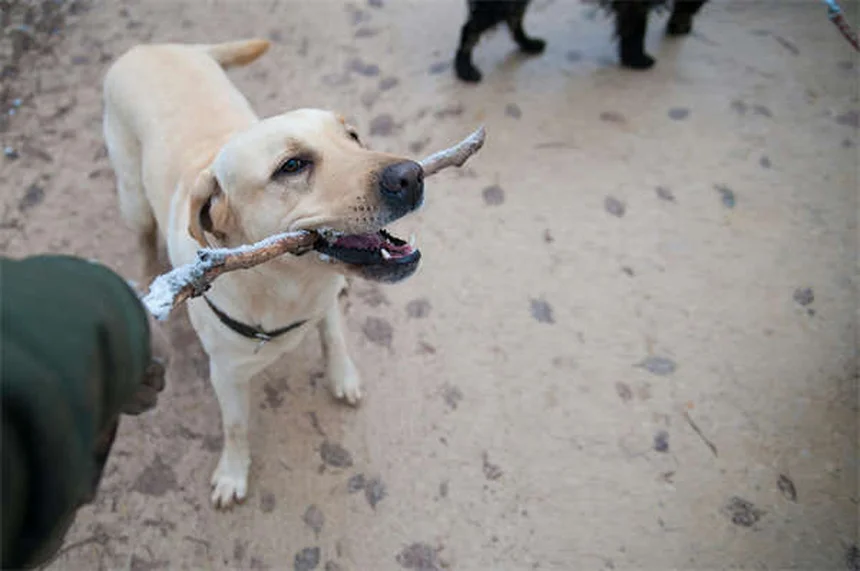
Remember when I tried teaching my 4-year-old niece to brush our Labrador? We ended up with more hair on her than the brush, but she felt so proud helping "make Goldie pretty." That's what matters!
For Big Kids (Ages 7-12)
Now we're talking real responsibility! Older kids can handle:
| Task | Supervision Needed | Fun Factor |
|---|---|---|
| Feeding | Medium (portion control) | ⭐️⭐️ (but they love counting scoops!) |
| Walking | High at first | ⭐️⭐️⭐️⭐️ (adventure time!) |
| Training | High | ⭐️⭐️⭐️⭐️⭐️ (like being a doggy teacher) |
My neighbor's 10-year-old Jake started walking their Beagle last year. At first, Mr. Sniffles walked Jake more than Jake walked him. But now? They've got this beautiful routine where Jake even remembers poop bags without being reminded (most days).
Turning "Ugh" Moments into "Aha!" Moments
Ever notice how kids remember every Disney song but "forget" to feed the dog? Here's how we fix that.
The Magic of "Why"
"Because I said so" works about as well as telling a puppy not to chew shoes. Instead, try:
"Buddy, how would you feel if no one gave you dinner tonight? That's how Max feels when we forget." Lightbulb moment! Candi Wingate from Care4Hire says this empathy approach helps kids connect actions to consequences.
Last week, my nephew forgot to fill the water bowl. Instead of scolding, I asked: "Remember how thirsty you got at soccer practice? That's how Sparky feels right now." He hasn't missed a refill since!
 Photos provided by pixabay
Oops Moments Are Teaching Moments
Even the best kid caretakers slip up. When my daughter forgot to walk our dog one rainy day, we turned it into a science lesson about dog bladders. Now she sets phone reminders - and understands why they matter.
Cheryl Orletsky, a dog trainer, puts it perfectly: "We must be willing to step in, but also step back to let kids learn." It's like training wheels - you're there to prevent crashes, but eventually they need to pedal alone.
Making Responsibility Feel Like a Superpower
Nobody likes chores. But everyone likes feeling important! Here's how to flip the script.
Choice Changes Everything
Instead of assigning tasks, try: "Would you rather be Chief Food Officer or Head Walk Commander today?" Suddenly, feeding the dog sounds way cooler!
When my kids got to pick their dog jobs, my son chose "Ball Thrower in Chief" (his title, not mine). Three months later, he's added "Brushing Supervisor" without being asked. Ownership creates motivation.
Celebrate the Wins
That moment when your child remembers to feed the dog without being reminded? Break out the confetti! Well, maybe not actual confetti (dogs eat everything), but:
- "Wow! Look how shiny Bella's coat is since you've been brushing her!"
- "Max did his trick perfectly today because you practiced with him!"
Positive reinforcement works on kids just like it works on dogs. And speaking of which...
The Secret Bonus: What Kids Really Learn
Sure, they're learning to scoop food and pick up poop. But the real lessons go much deeper.
 Photos provided by pixabay
Oops Moments Are Teaching Moments
Ever wonder why dog-owning kids often become responsible adults? Here's what caring for a dog really teaches:
Empathy: When Sarah sees her dog whimper after missing a walk, she learns about others' needs beyond her own.
Commitment: Rain or shine, that dog needs care. No "I'll do it later" with a living creature depending on you.
Confidence: Nothing beats the pride in a child's eyes when they master a new dog care skill. That "I can do this" feeling? That stays forever.
The Ultimate Teacher's Feedback
What's the best part about dogs as responsibility coaches? Their grading system:
Forget homework? = Sad eyes
Remember walk time? = Full-body wiggles!
That instant, joyful feedback teaches kids that responsibility isn't just about avoiding punishment - it's about creating happiness. And isn't that the best lesson of all?
Your Turn to Get Started
Ready to turn your pup into the world's furriest life coach? Here's how to begin:
Start Small, Think Big
Begin with one simple task that matches your child's age. Maybe it's just reminding you when the water bowl is empty. Success with small jobs builds confidence for bigger ones.
Remember my friend's 5-year-old who started as the "Treat Quality Control Specialist"? Now at 8, she handles morning feedings like a pro. Baby steps!
 Photos provided by pixabay
Oops Moments Are Teaching Moments
Turn dog care into bonding time. Saturday grooming sessions become spa days. Evening walks transform into adventure quests ("Let's find 5 new smells for Buddy!").
Before you know it, you're not just raising a responsible kid - you're creating memories that'll last long after the dog hair vacuuming is done.
So what are you waiting for? That tail isn't going to wag itself! Well, actually it might - but you get the point.
The Science Behind Dogs and Child Development
Did you know that dogs don't just teach responsibility - they actually rewire kids' brains for better emotional development? A study from the University of Lincoln found that children with dogs show 23% higher empathy levels than their pet-free peers. That's like getting an emotional intelligence booster shot - but way more fun!
How Dogs Become Four-Legged Therapists
Ever notice how your dog just knows when your kid needs comfort? That's not just coincidence - it's science in action!
Dogs have this incredible ability to read human emotions through facial expressions and body language. When your child comes home crying after a bad day, Fido isn't just being cute when he brings his favorite toy - he's providing emotional first aid. Research shows these interactions release oxytocin (the "love hormone") in both the child and the dog, creating a positive feedback loop of care and affection.
I'll never forget when my daughter's hamster died - our Golden Retriever, who normally acts like a hyperactive toddler, spent three days gently resting his head in her lap. No training could create that level of emotional intelligence!
The Responsibility Ripple Effect
Here's something fascinating - kids who care for dogs often show improved responsibility in other areas too. It's like responsibility is contagious!
| Dog Care Task | Unexpected Benefit | Real-Life Example |
|---|---|---|
| Feeding Schedule | Better homework habits | My nephew started setting alarms for his science project after remembering dog meals |
| Walking Routine | Improved time management | Neighbor's kid now packs her school bag the night before "like preparing for dog walks" |
| Grooming Duty | More organized personal space | After brushing the dog daily, my niece started making her bed without being asked |
Isn't it amazing how scooping poop can lead to better math grades? Okay, maybe that's stretching it - but you get the idea!
When Dogs Teach What Parents Can't
Let's be honest - sometimes kids tune us out faster than you can say "clean your room." But when life lessons come from a wet nose and wagging tail? Suddenly they're all ears!
The Power of Natural Consequences
Ever tried explaining why responsibility matters to a distracted 8-year-old? Good luck! But when they forget to fill the water bowl and see their panting pup looking miserable? Instant comprehension without a single lecture.
My friend's son learned this the hard way when he "forgot" to walk their energetic Border Collie for three days straight. The resulting chewed shoes and hyper behavior taught him more about responsibility in one afternoon than months of parental reminders. As he tearfully told his mom: "I didn't know Charlie needed walks that bad!" Now he's their most consistent walker.
Unconditional Love as a Teaching Tool
Here's the magical thing about dogs - they don't hold grudges. Screw up their feeding schedule? They'll still lick your face like you're the best thing since bacon.
This creates a safe space for kids to learn responsibility without fear of harsh judgment. When my daughter overfed our dog (thinking more food = more love), we didn't yell - we showed her how uncomfortable an overfull belly makes a dog. The lesson stuck because it came from concern, not criticism.
Can you imagine if all life lessons came with tail wags and happy dances? The world would be full of much happier (and more responsible) people!
Special Considerations for Different Dog Breeds
Not all dogs teach responsibility equally - and that's actually a good thing! Different breeds offer unique learning opportunities.
High-Energy Breeds: Responsibility on Steroids
Got a Labrador or Australian Shepherd? Congratulations - you've signed up for the advanced responsibility training program!
These breeds don't just need care - they demand engagement. But here's the beautiful part: that "demand" creates incredible bonding opportunities. Training sessions become teamwork exercises, and exercise needs turn into family adventures. My cousin's hyperactive son found his perfect match in their energetic Boxer - suddenly all that kid energy had a productive outlet!
Low-Maintenance Breeds: The Gentle Introduction
Not ready for the canine Olympics? A Basset Hound or Bulldog might be your perfect "starter dog."
These easygoing breeds let kids build confidence with basic care before leveling up. Our senior Beagle was the perfect first pet for my nervous niece - his calm demeanor and predictable needs helped her develop responsibility without feeling overwhelmed. Two years later? She's confidently handling more complex care tasks than I ever expected!
Remember - there's no "right" breed for teaching responsibility. The best teacher is the dog that fits your family's lifestyle and energy level.
Addressing Common Concerns
I get it - the idea of putting kids in charge of a living creature can be scary. Let's tackle those worries head-on!
"What If My Child Loses Interest?"
This is probably the #1 concern I hear from parents. But here's the thing - interest naturally fluctuates, and that's okay!
The key is to make responsibility sustainable. Maybe your enthusiastic 7-year-old starts strong but fades after two weeks. Instead of forcing it, try rotating duties or creating a "dog care team" approach. In our house, we have "primary" and "backup" for each task - when my son's basketball season gets busy, my daughter seamlessly takes over walking duty.
And let's be real - even adults get bored of chores! The goal isn't constant enthusiasm, but consistent follow-through.
"Isn't This Just More Work for Me?"
At first? Absolutely. But think of it like teaching a kid to ride a bike - you're going to jog alongside for a while before letting go.
The secret is in the gradual handoff. Start by doing tasks together ("Let's feed Max as a team!"), then shift to supervised independence ("You pour the food while I watch"), and finally to full responsibility ("You've got this - I'll be in the other room"). This scaffolding approach builds real skills without overwhelming anyone.
Yes, it takes patience. But six months from now, when your kid handles the morning dog routine while you sip coffee? Pure parenting bliss!
The Unexpected Benefits for Parents
Here's the best-kept secret about kids learning responsibility through dogs - it makes your life easier in ways you'd never expect!
Your New Secret Parenting Ally
Ever wish you had backup when teaching important lessons? Enter your dog - the ultimate wingman!
Dogs provide constant, real-time feedback that kids actually pay attention to. Forget to fill the water bowl? The dog stares pointedly at it. Skip the walk? Prepare for restless energy. This immediate cause-and-effect teaches responsibility in a way parental nagging never could.
I've lost count of how many times I've said "See how sad Max looks when we're late for his walk?" to drive home punctuality lessons. Works every time!
Quality Time You Didn't Know You Needed
In our busy lives, dog care creates forced pauses that become precious family moments.
Those evening walks turn into uninterrupted conversation time. Grooming sessions become opportunities for silly songs and laughter. Even poop-scooping duty (yes, really!) can spark hilarious conversations you'd never have otherwise. Some of my favorite memories with my kids happened because "the dog needed something."
So next time you groan about one more trip to the dog park, remember - you're not just exercising the dog. You're investing in family connection and lifelong responsibility lessons. Not bad for a "chore," huh?
E.g. :Can Dogs Teach Kids Responsibility? | PetMD
FAQs
Q: At what age can kids start helping with dog care?
A: You'd be surprised how early kids can pitch in! Even toddlers as young as 3 can help with simple tasks like refilling water bowls (with supervision) or handing you the brush during grooming time. By age 5-6, most kids can take on more responsibility like helping measure food portions or joining in on playtime. The key is to match tasks to your child's development level. My neighbor's 4-year-old loves being the "official treat tester" - she hands out training treats (with mom's approval) and feels so proud contributing. Remember, it's not about perfection - it's about building good habits early!
Q: What are the best dog breeds for teaching kids responsibility?
A: While any dog can help teach responsibility, some breeds are naturally more patient with kids. We've found Golden Retrievers, Labradors, and Beagles tend to be excellent "first responsibility teachers" because of their gentle nature and eagerness to please. Smaller breeds like Cavalier King Charles Spaniels can work well too, especially for younger children. But here's the truth - the breed matters less than your family's commitment to guiding both child and dog. Our rescue mutt turned out to be the best responsibility coach my kids ever had!
Q: How do I make dog care fun instead of feeling like a chore?
A: This is where creativity comes in! We turned feeding time into a "restaurant experience" where my son plays chef preparing the "doggy dinner." Grooming becomes "spa day" with special brushes and dog-safe cologne. For walks, we created a "smell scavenger hunt" where kids check off different scents the dog discovers. The secret? Make it playful and give kids ownership. Let them name their roles ("Chief Walk Officer" sounds way cooler than "the kid who picks up poop"). Celebrate small wins with high-fives - from both you and the dog!
Q: What if my child keeps forgetting their dog responsibilities?
A: First, take a deep breath - this is normal! We've all been there. Instead of punishment, try these pro tips: Create visual reminders (a chore chart with stickers works wonders). Set phone alarms together. Most importantly, connect the dots between action and consequence. When my daughter forgot to walk our dog, we talked about how uncomfortable it must feel to "hold it" too long. That empathy lesson stuck better than any scolding. And remember - you're the safety net. Double-check that food and water are available, especially with younger kids.
Q: How does caring for a dog actually teach responsibility?
A: Dogs provide the perfect responsibility training because their needs are constant, visible, and rewarding. Unlike making a bed (which can be skipped), a hungry dog will clearly remind you it's dinner time. The lessons go deeper than just tasks: Kids learn empathy ("Max looks sad when we forget playtime"), commitment ("Rain or shine, Bella needs her walk"), and consequences (forgotten water bowl = thirsty dog). Best of all, dogs give instant positive feedback - nothing compares to the full-body wiggle when a child remembers treat time! These real-world lessons create responsible habits that transfer to other areas of life.