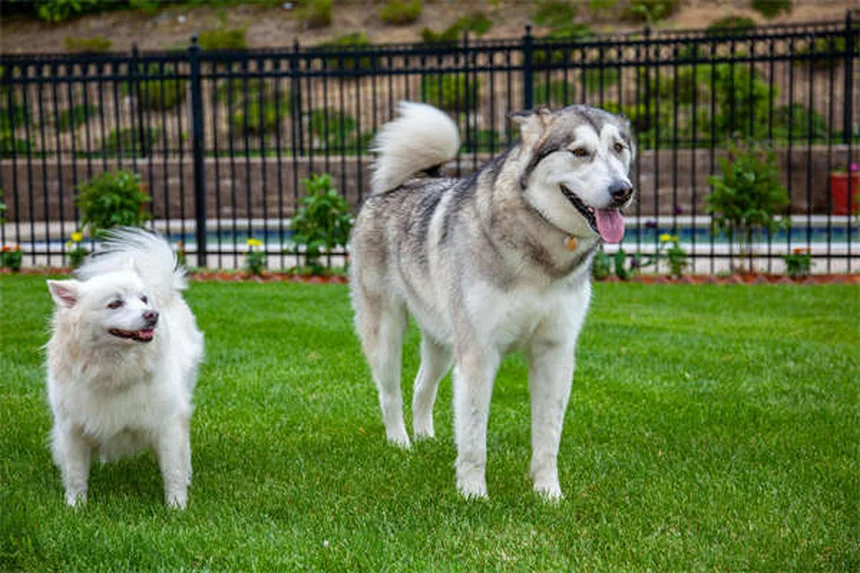
Pet-Safe Ice Melts: 5 Must-Know Facts for Dog Owners
What exactly are pet-safe ice melts? The answer is simple: They're winter essentials that melt ice without putting your dog at serious risk. While no ice melt is 100% safe, pet-friendly versions use gentler ingredients like urea that cause less harm if your pup licks their paws or accidentally ingests some. I've seen firsthand how regular ice melts can burn dog paws and cause serious stomach issues - that's why switching to pet-safe options is so important.Here's the deal: Traditional ice melts contain harsh salts that can lead to chemical burns, vomiting, or even neurological issues in severe cases. The pet-safe alternatives? They still get rid of ice, just without all the dangerous side effects. We'll walk you through everything you need to know to keep your furry friend safe this winter, from choosing the right product to recognizing warning signs of exposure.
E.g. :5 Shelter Adoption Myths Debunked (You'll Be Surprised!)
- 1、What Exactly Are Pet-Safe Ice Melts?
- 2、How Pet-Safe Ice Melts Actually Work
- 3、The Truth About "Pet-Safe" Claims
- 4、Common Types of Pet-Safe Ice Melts
- 5、Potential Health Risks You Should Know
- 6、Smart Protection Strategies
- 7、When Accidents Happen
- 8、Making the Switch to Pet-Safe
- 9、Beyond the Basics: Additional Pet-Safe Winter Solutions
- 10、Understanding Your Local Environment
- 11、DIY Solutions and Home Remedies
- 12、Special Considerations for Different Pets
- 13、Seasonal Preparation Tips
- 14、Community Action and Awareness
- 15、FAQs
What Exactly Are Pet-Safe Ice Melts?
The Winter Necessity With Hidden Dangers
Let me tell you, as someone who's slipped on icy sidewalks more times than I'd like to admit, ice melts are absolute lifesavers during winter. They transform dangerous, slippery surfaces into safe walkways - but here's the catch. While they're great for us humans, many can be downright dangerous for our furry friends.
Imagine this: You're taking your dog for a winter walk, and suddenly they start limping or licking their paws obsessively. That's often the first sign they've encountered harsh ice melt chemicals. The truth is, most conventional ice melts contain ingredients that can burn paws, upset stomachs, or worse if ingested.
Why Pet-Safe Options Matter
Now, you might be wondering - aren't all ice melts basically the same? Not even close! Regular ice melts often contain:
| Ingredient | Effect on Pets | Safety Level |
|---|---|---|
| Sodium Chloride | Paw burns, salt poisoning | Dangerous |
| Calcium Chloride | Severe GI irritation | Very Dangerous |
| Urea | Mild irritation | Relatively Safe |
See what I mean? The differences are night and day. That's why understanding pet-safe options could literally save your dog's life this winter.
How Pet-Safe Ice Melts Actually Work
 Photos provided by pixabay
The Science Behind the Safety
Here's something fascinating - all ice melts work by lowering water's freezing point, but pet-safe versions do it with gentler ingredients. While regular ice melts might use harsh salts that can cause chemical burns, pet-safe alternatives typically rely on urea or modified magnesium chloride.
Think of it like this: Regular ice melts are like pouring straight bleach on your driveway, while pet-safe versions are more like using a diluted cleaner. They still get the job done, just without all the nasty side effects.
Effectiveness vs. Safety Trade-Off
Now, I won't lie to you - there is a small trade-off. Pet-safe ice melts might take slightly longer to work in extreme cold. But ask yourself this: Is saving 10 minutes of melting time worth risking your pet's health? I didn't think so.
The good news? Many newer pet-safe formulas have closed this gap significantly. Some even include traction enhancers to compensate for slightly slower melting times.
The Truth About "Pet-Safe" Claims
No Such Thing As 100% Safe
Here's an uncomfortable truth - even products labeled "pet-safe" aren't completely risk-free. As Dr. Chambers from Pet Poison Helpline explains, "All ice melts pose some risk - it's about finding the least harmful options."
But before you panic, consider this analogy: Crossing the street isn't 100% safe either, but we still do it while taking precautions. The same logic applies here.
 Photos provided by pixabay
The Science Behind the Safety
The key differences come down to:
- Ingredient toxicity levels
- Irritation potential
- Required exposure amounts
Products using urea as their primary ingredient, for example, are generally considered the safest bets. They're less likely to cause severe reactions if your curious pup decides to taste-test the driveway.
Common Types of Pet-Safe Ice Melts
Urea-Based Formulas
These are the gentle giants of the ice melt world. While they might not melt ice as quickly as harsh salts, they're much kinder to paws and digestive systems. Perfect for areas where pets frequently walk.
Pro tip: Look for formulas that combine urea with natural traction agents like sand or sawdust. This gives you safety plus immediate slip protection.
Modified Magnesium Chloride
A step up in melting power while still being relatively pet-friendly. These work well in colder temperatures but can still cause mild stomach upset if ingested in large quantities.
Fun fact: Some premium versions include paw-protecting additives like aloe vera or vitamin E. Now that's thinking ahead!
Potential Health Risks You Should Know
 Photos provided by pixabay
The Science Behind the Safety
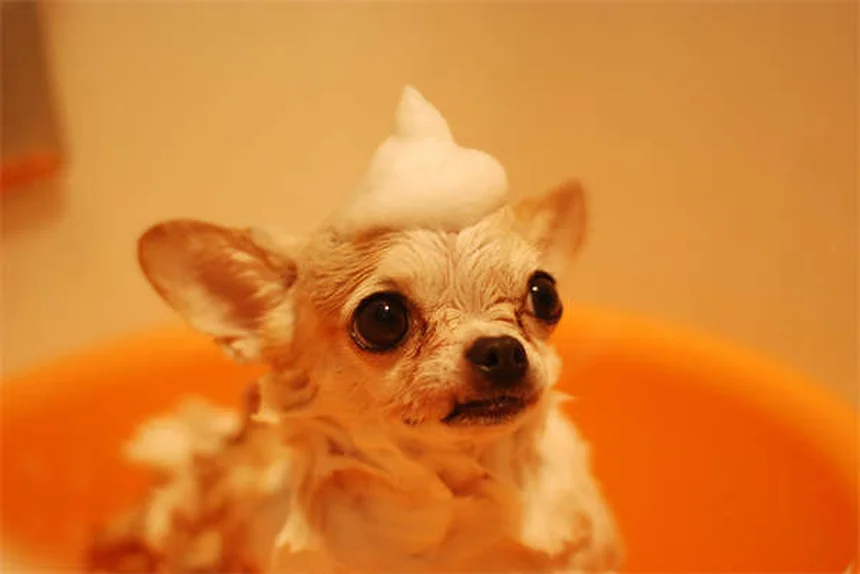
Ever walked barefoot on hot sand? That's what harsh ice melts can feel like to your dog's paws - except it's chemical burns instead of heat. Symptoms to watch for include:
- Excessive licking or chewing at paws
- Visible redness or irritation
- Reluctance to walk
Here's a scary thought: Repeated exposure can lead to painful cracks and infections. That's why wiping paws after walks is so crucial.
When Ingestion Happens
Accidents happen - maybe your dog laps at a puddle containing melted ice treatment. Mild cases might just cause drooling or an upset stomach. But serious poisoning can lead to:
| Symptom | Mild Case | Severe Case |
|---|---|---|
| Vomiting | 1-2 episodes | Persistent |
| Neurological Signs | None | Seizures, tremors |
| Electrolyte Imbalance | Mild | Life-threatening |
See why choosing the right product matters so much? The difference between mild and severe can literally be life or death.
Smart Protection Strategies
Paw Protection That Actually Works
Booties might look silly, but they're like winter shoes for your pup. Not all dogs tolerate them though, so alternatives include:
- Paw wax (think ChapStick for dog feet)
- Quick-drying absorbent towels
- Rinse bottles for on-the-go cleaning
Here's a hack: Keep a designated "paw cleaning station" by your door with all these supplies. Makes winter walks way less stressful!
Creating Safe Zones
Why treat your whole driveway when you can create pet-safe pathways? Use pet-safe melt only where absolutely needed, and consider alternatives like:
- Sand for traction
- Shoveling more frequently
- Designated potty areas with untreated surfaces
Remember: The less exposure, the lower the risk. Simple changes can make a huge difference.
When Accidents Happen
First Response Basics
If you suspect your pet got into ice melt, here's what to do immediately:
- Remove them from the area
- Rinse affected skin/paws with lukewarm water
- Call your vet or poison control
Pro tip: Never induce vomiting unless instructed by a professional. Some chemicals can cause more damage coming back up.
Monitoring for Delayed Symptoms
Some effects don't show up right away. Keep an eye out for:
- Changes in drinking/urination
- Lethargy or unusual behavior
- Loss of appetite
When in doubt? Call your vet. It's always better to be safe than sorry when it comes to our furry family members.
Making the Switch to Pet-Safe
Finding Quality Products
The market's flooded with options, but look for:
- Clear ingredient lists
- Third-party safety certifications
- Positive reviews from other pet owners
Here's something I've learned: The cheapest option often isn't the safest. Investing a little more can prevent huge vet bills later.
Educating Your Community
Ever thought about talking to your neighbors about pet-safe ice melts? Many people simply don't know the risks. A friendly conversation could protect all the neighborhood pets!
Consider sharing this article or posting in local community groups. Change starts with awareness, after all.
Beyond the Basics: Additional Pet-Safe Winter Solutions
Natural Alternatives You Might Not Know About
Did you know your kitchen might hold some surprisingly effective ice-melting solutions? Plain old sand or kitty litter can provide instant traction without any chemical risks. While they don't actually melt ice, they create safe walking surfaces immediately.
Here's a fun experiment I tried last winter: I mixed sand with a small amount of beet juice (yes, really!). The beet juice helps lower the freezing point slightly, while the sand provides traction. It worked surprisingly well on my front steps and my golden retriever didn't give me that "what did you do to my walkway?" look.
The Future of Pet-Safe Ice Control
Researchers are developing some incredible new technologies that could revolutionize winter safety. One promising innovation uses corn-based glycols that are completely biodegradable and non-toxic. Another uses a special polymer that creates a protective layer on paws while walking on treated surfaces.
Imagine this: You apply an ice melt that not only clears your walkway but actually conditions your dog's paws as they walk across it. Some companies are already testing prototypes that could hit the market in the next 2-3 years.
Understanding Your Local Environment
How Climate Affects Your Choices
Not all ice melts perform the same in different temperatures. Here's a quick guide to what works best where:
| Temperature Range | Recommended Type | Pet Safety Level |
|---|---|---|
| Above 20°F (-6°C) | Urea-based | Excellent |
| 0°F to 20°F (-18°C to -6°C) | Modified magnesium chloride | Good |
| Below 0°F (-18°C) | Specialty blends (consult vet) | Fair |
Living in Minnesota? You'll need different solutions than someone in Virginia. That's why understanding your typical winter conditions is so important.
The Hidden Impact on Local Wildlife
Here's something most people don't consider - runoff from ice melts affects more than just our pets. Birds drinking from puddles, squirrels crossing treated areas, even the plants along your walkway can be impacted.
I once watched a robin hopping along my driveway after using conventional ice melt, and let me tell you, the way it kept shaking its feet broke my heart. That's when I realized true pet safety means considering all creatures, not just the ones living in our homes.
DIY Solutions and Home Remedies
Safe Homemade Ice Melt Recipes
Want to try making your own pet-safe ice melt? Here's a simple recipe I've used with success:
- 1 gallon warm water
- 1 teaspoon dish soap (the plain blue Dawn works great)
- 1 tablespoon rubbing alcohol
- 1 cup beet juice (optional for color and slight melting boost)
Mix it all together and spray on icy areas. The soap helps break surface tension while the alcohol lowers the freezing point. Just remember - while this is safer than many commercial products, you should still prevent your pets from drinking it.
The Truth About Vinegar Solutions
You've probably heard vinegar suggested as a natural ice melt. But is it really safe? The answer is... complicated. While vinegar is non-toxic, its acidity can irritate paws and its melting power is limited.
Here's a better approach: Use a diluted vinegar solution (1 part vinegar to 5 parts water) as a pre-treatment before storms. It helps prevent ice from bonding strongly to surfaces, making removal easier. Just be sure to rinse the area before letting your pets walk on it.
Special Considerations for Different Pets
Cats vs. Dogs - Different Risks
We mostly talk about dogs, but what about our feline friends? Outdoor cats face unique risks because they:
- Walk through treated areas then lick their paws clean
- Are more sensitive to certain chemicals than dogs
- May hide symptoms until problems become severe
If you have outdoor cats, consider creating an enclosed "catio" area with untreated surfaces during winter months. Or better yet - keep them indoors where it's warm and safe!
Small Breed Special Needs
Did you know smaller dogs are at greater risk from ice melt exposure? It's simple math really - the same amount of chemical does more damage to a 5-pound Chihuahua than a 50-pound Labrador.
Extra precautions for small breeds include:
- Using booties religiously
- Carrying them over heavily treated areas
- Wiping paws after every single outdoor trip
My neighbor's tiny Yorkie once got salt burns so bad he had to wear little socks for a week. The dog hated it, but the alternative was much worse.
Seasonal Preparation Tips
Pre-Winter Paw Care
Healthy paws handle winter better. Start a paw care routine in fall by:
- Regularly moisturizing with pet-safe balms
- Keeping fur between toes trimmed
- Gradually acclimating to shorter walks as temperatures drop
Think of it like conditioning your skin before winter - well-cared-for paws are more resilient against all kinds of winter hazards, not just ice melts.
Post-Winter Recovery
When spring arrives, don't just forget about paw care! Winter can leave paws dry and cracked. A gentle recovery routine includes:
- Soaking in warm (not hot) water with Epsom salts
- Applying healing balms
- Gradually increasing walk lengths as surfaces warm
I always celebrate the first bare-paw walk of spring with my dog - it's our little ritual marking the end of winter worries.
Community Action and Awareness
Pet-Safe Neighborhood Initiatives
Why stop at your own property? Many communities are adopting pet-safe winter programs. Some successful approaches include:
- Designated pet walking routes with safe treatments
- Community bulk purchases of pet-safe products
- Educational campaigns at local vet offices
In my town, we convinced the local hardware store to create a special "Pet-Safe Winter" display right by the entrance. Sales of safer products tripled that season!
Working With Local Government
Did you know many cities are open to switching to pet-safe ice treatments if enough residents ask? Start by:
- Gathering signatures from fellow pet owners
- Presenting cost comparisons (many safer options are similarly priced)
- Highlighting environmental benefits
Change might not happen overnight, but every voice matters. After all, our pets can't speak for themselves - that's our job!
E.g. :Does pet-safe ice melt work any better than plain sodium chloride ...
FAQs
Q: What makes an ice melt "pet-safe"?
A: Pet-safe ice melts differ from regular ones by using less toxic ingredients. While traditional products often contain sodium chloride or calcium chloride (which can cause severe burns and poisoning), pet-safe versions typically use urea or modified magnesium chloride. These alternatives are gentler on paws and less likely to cause serious harm if ingested. However, it's crucial to understand that "pet-safe" doesn't mean risk-free - these products can still cause mild irritation. The key advantage is they're significantly less dangerous than conventional ice melts, especially when used properly and in moderation.
Q: How quickly should I clean my dog's paws after walking on treated surfaces?
A: You should clean your dog's paws as soon as possible after walking on treated surfaces - ideally within minutes. Here's why: The longer ice melt chemicals stay on your dog's paws, the more time they have to cause irritation or be ingested through licking. I recommend keeping pet-safe wipes or a damp towel by your door during winter months. For thorough cleaning, pay special attention to between the toes and around the paw pads where chemicals can accumulate. If you notice your dog licking their paws excessively during the walk, it's a clear sign they need immediate cleaning.
Q: Can pet-safe ice melts still make my dog sick?
A: Yes, even pet-safe ice melts can potentially make your dog sick, especially if consumed in large quantities. While they're formulated to be safer, ingesting significant amounts can still cause gastrointestinal upset like vomiting or diarrhea. The main difference is that pet-safe products are less likely to cause severe poisoning or life-threatening complications compared to conventional ice melts. That said, any amount of ingestion warrants monitoring your dog closely, and large ingestions require immediate veterinary attention. Remember, the dose makes the poison - a few licks might cause mild stomach upset, but eating directly from the bag could be dangerous.
Q: What are the signs my dog has been exposed to harmful ice melts?
A: Watch for these warning signs of ice melt exposure: For skin contact, look for excessive licking, redness between toes, or limping. If ingested, symptoms range from drooling and vomiting to more severe signs like lethargy, tremors, or seizures in extreme cases. I always tell pet owners that behavioral changes are often the first clue - if your normally energetic dog seems "off" after a winter walk, check their paws immediately. With neurological symptoms (which are rare with pet-safe products but possible with conventional ones), you might notice uncoordinated movements or unusual drowsiness. When in doubt, call your vet or pet poison control.
Q: Are there any completely natural alternatives to ice melts?
A: While no natural alternative works exactly like ice melts, some options can help with traction and minor melting. Sand or non-clumping kitty litter provides traction without any chemical risks. For very light ice, you can try a vinegar solution (1 part vinegar to 3 parts water), though it's not effective in deep cold. The trade-off is that these natural options don't actually melt ice as effectively as commercial products. For pet owners who want maximum safety, I often recommend using pet-safe ice melts only where absolutely necessary and supplementing with these natural alternatives in other areas. Remember, frequent shoveling is still the safest option of all!