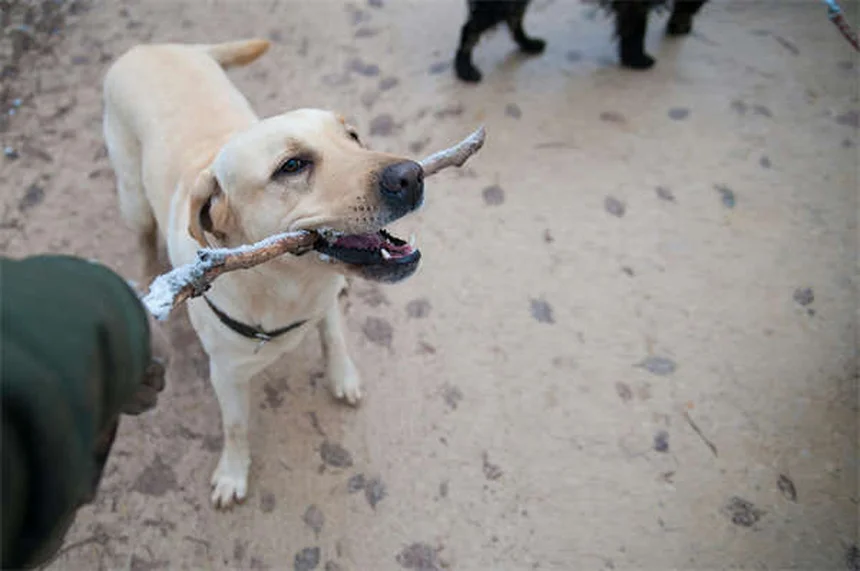
Pet-Related Fall Injuries: 5 Prevention Tips You Need Now
Pet-related fall injuries happen way more often than you'd expect - we're talking about 86,000+ Americans getting hurt annually by tripping over their furry friends! The truth is, both dogs and cats can be serious fall hazards if you're not careful. But here's the good news: most of these accidents are totally preventable with some simple changes to your routine and environment. I've seen firsthand how proper training and awareness can make all the difference between a safe home and an unexpected trip to the ER. Let me walk you through what really causes these falls and how you can protect yourself while still enjoying life with your pet.
E.g. :Can Dogs Really Talk? How Talking Dog Buttons Work (2024 Guide)
- 1、Pet-Related Falls: More Common Than You'd Think
- 2、Home Hazards: Your Pet Might Be a Walking Obstacle Course
- 3、Outdoor Adventures (and Misadventures)
- 4、Training: Your Best Defense Against Falls
- 5、Choosing the Right Pet for Your Lifestyle
- 6、Prevention Is Better Than a Cast
- 7、The Hidden Dangers of Pet Toys
- 8、Pet Food and Water Station Dangers
- 9、The Psychology Behind Pet-Related Falls
- 10、Technology to the Rescue
- 11、When Falls Become Serious
- 12、Creating a Pet-Safe Home
- 13、Building Better Habits Together
- 14、FAQs
Pet-Related Falls: More Common Than You'd Think
The Surprising Statistics Behind Pet-Induced Falls
You know that moment when you're walking through your living room and suddenly trip over Fluffy? Turns out, that's happening to 86,629 Americans annually according to CDC data. And here's the kicker - dogs cause 7.5 times more injuries than cats!
Let me break down the numbers for you:
| Pet Type | Annual Injuries | Most Common Injuries |
|---|---|---|
| Dogs | ~75,000 | Fractures, bruises |
| Cats | ~11,600 | Abrasions, sprains |
Who's Most at Risk?
While seniors over 75 face the highest risk, I've seen plenty of young, able-bodied folks take nasty spills because of their pets. Jenn Fiendish, a behavior specialist, told me about a client who broke their wrist tripping over their excited Labrador. No age group is immune to these accidents!
Home Hazards: Your Pet Might Be a Walking Obstacle Course
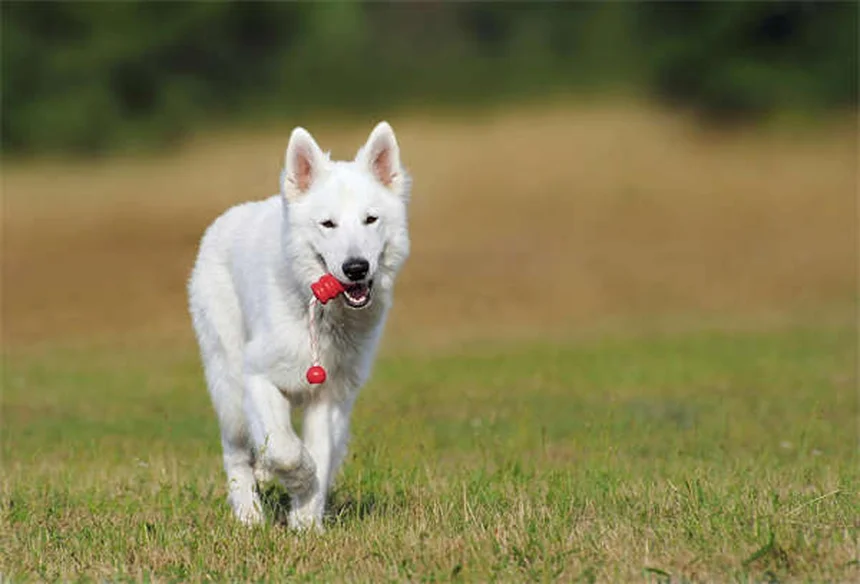 Photos provided by pixabay
The Kitchen Catastrophe Waiting to Happen
Picture this: You're cooking dinner, concentrating on not burning the sauce, when BAM! You trip over your food-motivated pup who's been silently stalking you for dropped morsels. Occupational therapist Melissa Winkle says this scenario plays out in homes daily.
Ever tried carrying groceries while your dog does the "I missed you so much!" dance? That's another prime setup for disaster. My neighbor actually dropped an entire carton of eggs last week when her Golden Retriever got tangled in her legs.
The Jumping Jack Problem
Here's a question: Why do we think it's cute when puppies jump but dangerous when full-grown dogs do it? The answer is simple - physics! A 10-pound puppy becomes a 70-pound projectile. Winkle warns that allowing jumping behavior early creates lifelong habits that can literally knock you off your feet.
Outdoor Adventures (and Misadventures)
The Retractable Leash Debate
Those extendable leashes might seem convenient, but hear this: They're basically accident waiting to happen. When your dog spots a squirrel and hits the end of 8 feet of leash at full speed? That's enough force to pull over most adults. I've personally witnessed three leash-related falls at my local park this month alone.
Winkle recommends sticking to traditional 4-6 foot leashes. "It gives you control without sacrificing mobility," she explains. And trust me, your shoulders will thank you after walk time.
 Photos provided by pixabay
The Kitchen Catastrophe Waiting to Happen
Ever seen a pack of dogs playing and thought, "That looks like a mosh pit"? That's because it basically is! Dogs focused on play often don't watch where they're going. Last summer, I saw a man get completely bowled over by two playing Border Collies. The key? Constant supervision - put down your phone and watch your dog like you would a toddler near a pool.
Training: Your Best Defense Against Falls
Basic Obedience Saves Bones
Here's an eye-opener: Could proper training prevent most pet-related falls? Absolutely! Teaching simple commands like "heel" and "stay" creates safer walking habits. Fiendish suggests starting with loose-leash walking - it's easier on your arm and reduces tripping risks dramatically.
For dogs with serious behavioral issues, professional help is worth every penny. My cousin invested in a trainer for her reactive Shepherd mix, and the difference in their walks is night and day.
Environmental Controls Matter
Baby gates aren't just for babies! Products like the Carlson walk-thru gate create safe zones in your home. I installed one in my kitchen doorway after one too many near-misses with my food-obsessed Beagle. Now I can cook without playing human Frogger.
Choosing the Right Pet for Your Lifestyle
 Photos provided by pixabay
The Kitchen Catastrophe Waiting to Happen
That adorable Great Dane puppy might not be the best choice if you have mobility issues. Fiendish reminds us that big, energetic dogs require more physical control. My aunt with arthritis found perfect companionship with a calm senior cat instead of the puppy she initially wanted.
Small dogs present different challenges - they're easy to overlook! I can't count how many times I've almost stepped on my friend's Chihuahua because he blends in with the throw pillows.
The Bell Solution
For cats and small dogs, try a collar bell. It's like having a personal alarm system for your pet's location. My sister swears by this method after her black cat caused several nighttime stumbles.
Prevention Is Better Than a Cast
Awareness and Proactive Measures
Most pet-related falls are preventable with some simple precautions. Keep walkways clear, train basic commands, and always be aware of your pet's location. After my own embarrassing trip-over-the-dog incident, I started doing a quick "pet location check" before standing up or walking through a room.
Remember, your pet isn't trying to take you down (probably). With some training and environmental adjustments, you can enjoy your furry friend without the emergency room visits!
The Hidden Dangers of Pet Toys
Toy-Related Trips Are No Joke
You wouldn't believe how many people end up in the ER because of rogue tennis balls and squeaky toys! Over 3,000 emergency visits annually happen when people step on or trip over pet toys. That rubber bone you left on the floor? It's basically a banana peel waiting to happen.
I learned this the hard way when I did an impressive (and painful) slip-and-slide across my kitchen after stepping on a chew toy. Now I make sure to do a toy sweep before any important walking happens.
The Nighttime Hazard Zone
Ever gotten up for a midnight snack and nearly died stepping on a Kong? Me too. Darkness turns your pet's play area into an obstacle course. My solution? Glow-in-the-dark toys or small nightlights along walkways. Your shins will thank you.
Pet Food and Water Station Dangers
The Spill That Chills
Water bowls are basically tiny skating rinks when placed wrong. I can't tell you how many times I've seen people (including myself) take a spill because of a poorly placed water dish. Always put bowls against walls, not in the middle of walkways.
And wet food? That's another slippery situation. My neighbor's cat food spill turned her kitchen into an ice rink last week. She now keeps paper towels right by the feeding station for quick cleanups.
The Food Bowl Tango
Why do pets always decide to eat right where you need to walk? It's like they have radar for inconvenient positioning. I've developed a habit of gently moving my dog's bowl to a safer spot when he's eating - just be careful not to interrupt a hungry pup!
The Psychology Behind Pet-Related Falls
Why We Don't See It Coming
Here's something fascinating: Our brains actually filter out familiar objects like pets when scanning for danger. That's why you'll notice a stranger's dog but trip over your own. It's not carelessness - it's neuroscience!
This explains why my own cat can surprise me daily, even though we've lived together for years. The solution? Train yourself to do quick visual checks before moving.
The Attachment Factor
The more we love our pets, the more we tolerate their dangerous habits. That little dog who always sleeps at your feet? Adorable, but also a trip hazard. We need to balance love with safety - maybe teach them a safer spot to nap.
Technology to the Rescue
Smart Collars Aren't Just for Tracking
New pet tech can actually help prevent falls! Some collars now have proximity alerts that ping your phone when your pet gets too close. I tested one last month and it saved me from at least three potential spills.
There are even motion-activated lights that turn on when your pet moves at night. No more stubbed toes on midnight bathroom trips!
Home Automation Helps
Smart home devices can create pet-free zones when you're moving around. I programmed my lights to flash when I'm walking through dark areas where my cat likes to lounge. It's like having a personal safety assistant.
When Falls Become Serious
Recognizing When to Seek Help
Not all falls are created equal. If you experience dizziness, confusion, or severe pain after a pet-related tumble, don't tough it out. My uncle ignored his symptoms after a fall and later discovered he'd fractured his hip.
Here's a quick checklist of warning signs:
| Symptom | Action Needed |
|---|---|
| Persistent pain | See a doctor |
| Swelling/bruising | Medical evaluation |
| Difficulty moving | Emergency care |
The Financial Impact
Did you know the average pet-related fall costs about $1,500 in medical bills? That's more than most pet insurance policies cost for a year! Investing in prevention measures suddenly seems much more reasonable, doesn't it?
Creating a Pet-Safe Home
Flooring Matters More Than You Think
Hardwood floors might look great, but they're basically ice rinks when combined with excited pets. Area rugs with non-slip backing can make a huge difference. After replacing my slick floors with textured tiles, my fall count dropped dramatically.
And here's a pro tip: Keep your pet's nails trimmed. Long nails give them less traction, which means more sliding into your legs.
The Furniture Factor
Low coffee tables and ottomans become launch pads for pets. I rearranged my living room to create clear pathways, and suddenly my cat stopped using the furniture as a springboard into my shins.
Building Better Habits Together
Training Goes Both Ways
While we train our pets, we need to train ourselves too. I developed a habit of shuffling my feet slightly when walking in pet areas - it prevents those sudden trips when a paw appears underfoot.
Another trick? Teach your pet a "move" command. It took about two weeks of consistent training, but now my dog will actually shift out of the way when I say "scoot."
The Power of Routine
Pets thrive on predictability. Establishing set walking paths and play areas reduces surprise encounters. My dog now has his own "safe zone" bed where he knows not to block walkways.
Remember, preventing falls isn't about restricting your pet - it's about creating a home where everyone can move safely. With some simple adjustments, you can keep all your bones intact while enjoying life with your furry friend!
E.g. :How Often Do Pets Cause Trip-and-Fall Injuries? | PetMD
FAQs
Q: How common are pet-related fall injuries?
A: Pet-related falls are shockingly common - the CDC reports about 86,629 injuries annually in the U.S. alone! Dogs cause 7.5 times more injuries than cats, with fractures and bruises being the most common outcomes. While seniors over 75 face the highest risk, I've worked with clients of all ages who've taken nasty spills because of their pets. The reality is, any pet owner can experience this - whether it's tripping over a sleeping cat or getting pulled over by an excited dog. What's important is recognizing these risks exist so you can take preventive measures.
Q: What are the most dangerous situations at home?
A: In my experience, kitchens and entryways are the most hazardous spots. Picture this: you're cooking with your food-motivated pup underfoot, or coming home with arms full of groceries to an excited dog. These everyday situations account for countless falls. Another big risk? Allowing jumping behavior in puppies - that cute 10-pounder becomes a 70-pound projectile that can knock you right off your feet. I always tell clients to establish "no jump" rules early and create clear pet-free zones in high-traffic areas.
Q: Are retractable leashes really that dangerous?
A: As an occupational therapist, I can't stress this enough: retractable leashes are accident magnets! When a dog hits the end of 8 feet of leash at full speed, the sudden force can easily pull over even strong adults. I've documented dozens of leash-related injuries in my practice. For safer walks, I recommend a standard 4-6 foot leash that gives you better control. Trust me, your shoulders and your balance will thank you. If you must use a retractable leash, keep it locked at a shorter length in crowded areas.
Q: How can training prevent pet-related falls?
A: Basic obedience training is your best defense against falls. Teaching commands like "heel," "stay," and "leave it" creates safer walking and household habits. For dogs with leash reactivity or jumping issues, professional training is worth every penny - I've seen it transform chaotic walks into pleasant strolls. Don't forget about environmental training too! Using baby gates to create safe zones and teaching pets to respect boundaries can prevent countless accidents. The key is consistency - practice these skills daily until they become second nature.
Q: What if I have mobility issues but want a pet?
A: This is where choosing the right pet for your lifestyle becomes crucial. While that energetic puppy might be adorable, a calm adult dog or cat is often a safer choice. I've helped many clients with mobility challenges find perfect companions by matching pet energy levels to their physical capabilities. For small pets that are easy to overlook, try collar bells - they're like a personal alarm system! The bottom line? With thoughtful selection and some preventive measures, almost anyone can enjoy pet ownership safely.