7 Vet-Approved Ways to Keep Pets Cool in Summer Heat
How to keep your pet safe in the summer heat? The answer is simple: you need to be proactive! As a vet with over 15 years experience, I can tell you that summer heat is more dangerous for pets than most owners realize. Unlike humans, dogs and cats can't sweat effectively - they mainly cool off through panting and their paw pads. This makes them extremely vulnerable to heatstroke, which can become life-threatening in minutes.But don't worry - with my 7 vet-approved strategies, you'll be able to protect your furry friend all summer long. From timing your walks right to creating DIY cooling stations, I'll show you exactly what works (and what doesn't). The best part? Most of these tips take just minutes to implement but can literally save your pet's life when temperatures soar.
E.g. :8 Red Flags of a Bad Boarding Kennel You Should Never Ignore
- 1、Beat the Heat: Your Pet's Summer Survival Guide
- 2、7 Vet-Approved Cool-Down Strategies
- 3、Making Summer Memories Safely
- 4、Beyond the Basics: Advanced Summer Pet Care
- 5、Summer Pet Activities That Beat the Heat
- 6、Seasonal Health Risks You Might Not Know About
- 7、Emergency Preparedness for Pet Owners
- 8、FAQs
Beat the Heat: Your Pet's Summer Survival Guide
Hey there pet parents! Dr. Jennifer Coates here - just updated this guide on June 16, 2020 to make sure you've got the hottest tips (pun intended) for keeping your furry friends cool. Summer's here, and while we're all excited to soak up the sun, our pets need some special care to stay comfortable.
Why Summer Heat Hits Pets Harder
You know how miserable you feel when stuck in a hot car? Well, imagine wearing a fur coat in that same situation! Pets don't sweat like we do - they mainly cool off through panting and limited sweat glands in their paws. This makes them way more vulnerable to heatstroke.
Here's a quick comparison of how humans and dogs handle heat differently:
| Cooling Method | Humans | Dogs |
|---|---|---|
| Primary Cooling | Sweating through skin | Panting |
| Sweat Glands | Millions all over body | Only in paw pads |
| Heat Tolerance | Moderate | Low (especially thick-coated breeds) |
Creating a Cool Oasis at Home
Ever notice how your dog always finds the coolest spot on the tile floor? That's because they're smarter than we give them credit for! Here's how you can help:
Hydration stations are key - place multiple water bowls around your house and refill them with cool (not ice cold) water throughout the day. Add some ice cubes for fun - my Labrador loves "fishing" them out!
Did you know that a simple box fan can make a huge difference? Position it so your pet can choose to lie in the airflow. For extra cooling power, try this trick: place a frozen water bottle in front of the fan. Instant AC for your pup!
7 Vet-Approved Cool-Down Strategies
 Photos provided by pixabay
1. Timing is Everything
Walk your dog before 10am or after 4pm when temperatures are lower. Test the pavement with your hand - if it's too hot for your palm, it's burning your dog's paws!
I tell all my clients: "Would you walk barefoot on this sidewalk?" If the answer's no, don't make your dog do it either. Early morning walks also mean you'll avoid the worst of the summer humidity.
2. Water Play = Best Play
Who doesn't love a good splash? Set up a kiddie pool in the shade - just 2-3 inches of water is perfect. Pro tip: add some floating toys to encourage play. My neighbor's Golden Retriever will stay in his pool for hours chasing tennis balls!
For cats, try placing ice cubes in their water bowl or rubbing a cool damp cloth over their fur (focus on ears, paws and belly). Most cats actually enjoy this once they realize it cools them down.
3. Grooming Matters More Than You Think
Here's a question that surprises many owners: "Does shaving my dog help them stay cool?" The answer might shock you - for most breeds, the answer is no!
A dog's coat acts like insulation, protecting them from both heat and cold. Instead of shaving, opt for regular brushing to remove loose undercoat. Exception: some breeds like Poodles do benefit from summer cuts. When in doubt, ask your groomer!
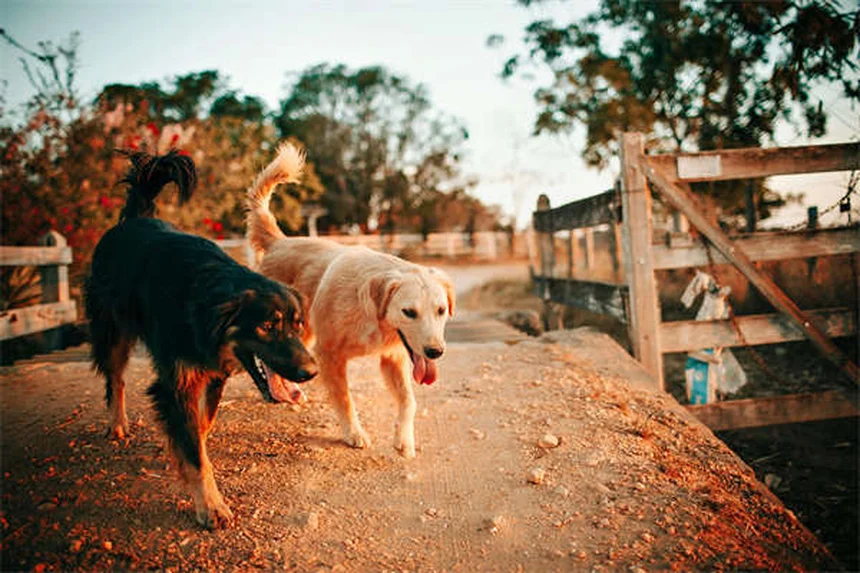 Photos provided by pixabay
1. Timing is Everything
Why should kids have all the fun with popsicles? Try these easy recipes:
- Plain yogurt + peanut butter frozen in ice cube trays
- Low-sodium chicken broth ice cubes
- Frozen banana slices (a hit with both dogs and parrots!)
Remember to supervise your pet with any treats - we don't want anyone choking on ice cubes!
5. Never Leave Pets in Parked Cars
This one seems obvious, but every summer we see tragic cases. A car's interior temperature can skyrocket to deadly levels in minutes, even with windows cracked. If you can't bring your pet inside with you, leave them at home.
Here's a scary fact: when it's 85°F outside, your car's interior can reach 102°F in just 10 minutes. After 30 minutes? A deadly 120°F. Would you sit in that? Neither should your pet.
6. Know the Signs of Heatstroke
Excessive panting, bright red gums, vomiting, diarrhea, or collapse mean emergency action is needed. Immediately move your pet to shade, offer small amounts of cool water, and wet their paws and ears with cool (not cold) water.
Then call your vet - heatstroke can cause internal damage you can't see. Better safe than sorry when it comes to our furry family members!
 Photos provided by pixabay
1. Timing is Everything
Small mammals like rabbits are especially heat-sensitive. Try placing ceramic tiles in their enclosure - they stay cool naturally. For birds, misting with water helps them regulate temperature like they would in nature.
Reptile owners: watch those tank temperatures! Summer heat waves can turn your terrarium into a sauna. Adjust heat lamps accordingly and provide extra water dishes.
Making Summer Memories Safely
With these simple strategies, you and your pet can enjoy everything summer has to offer. Remember, our pets rely on us to keep them safe - they'll happily follow us into dangerous situations because they trust us completely.
The best summer is one where we create happy memories without any emergency vet visits. Now go make some paw-some memories with your best friend!
Beyond the Basics: Advanced Summer Pet Care
The Science Behind Pet Hydration
Did you know your dog's water needs can double in summer? While we all know pets need water, most owners don't realize how much more they require when temperatures rise. A 50-pound dog might normally drink about 1.5 liters daily, but that can jump to 3 liters on hot days!
Here's a pro tip I learned from veteran dog trainers: add a pinch of low-sodium beef or chicken broth to water bowls. This encourages drinking without the health risks of flavored commercial products. My neighbor's picky drinker went from barely touching his bowl to emptying it three times a day!
Sun Protection for Pets
Wait - pets need sunscreen? You bet! Light-colored and short-haired breeds are especially vulnerable to sunburn. The most at-risk areas? Noses, ear tips, and bellies. I recommend pet-safe sunscreens without zinc oxide, which can be toxic if ingested.
Ever seen a dog with a summer haircut get a pink belly? That's exactly what we're trying to prevent. For cats, focus on ears if they enjoy sunbathing in windows. Just last week, I treated a white Persian with second-degree burns from her favorite sunny perch!
Traveling with Pets in Summer
Road trips with Fido require extra planning when temperatures soar. Here's my golden rule: never assume places will be pet-friendly. I learned this the hard way when my cross-country move left me scrambling to find hotels that accepted pets during a heatwave.
Pack a travel kit with collapsible bowls, extra water, cooling mats, and wet wipes. Pro tip: freeze water bottles the night before - they'll melt slowly in the car, providing cool water throughout your trip. My dog now gets excited when he sees the cooler come out!
Summer Pet Activities That Beat the Heat
Indoor Games for Hot Days
When it's too hot outside, turn your living room into an obstacle course! Use household items like broomsticks for jumps and chairs for tunnels. My terrier mix goes crazy for our "indoor agility" sessions - plus it tires her out without risking heat exhaustion.
For cats, try hiding treats in puzzle feeders or creating cardboard box forts. Last summer, I turned six Amazon boxes into a feline funhouse that kept three cats entertained for weeks. The best part? They were too busy playing to notice the 100°F temperatures outside!
Water Sports for Aquatic-Loving Pets
Not all dogs instinctively know how to swim - but many can learn to love it! Start in shallow water with a canine life jacket. I'll never forget teaching my rescue Lab to swim; now he's the first one in any lake or pool we find.
For water-shy pets, try sprinklers or hose mist on low setting. My friend's Dachshund who hated baths became obsessed with chasing the fine spray from their garden hose. Just remember to dry ears thoroughly afterward to prevent infections!
Seasonal Health Risks You Might Not Know About
Hidden Dangers in Summer Treats
While we all love sharing ice cream with our pets, many summer human foods are dangerous. Did you know xylitol (found in sugar-free products) can be deadly to dogs? Even "healthy" fruits like grapes and raisins cause kidney failure in some pets.
Here's a safer alternative: blend watermelon (seedless!) with plain yogurt and freeze. My clinic's staff calls this "pupsicles" - they're a hit at our summer pet parties. Just last weekend, we went through 50 of them at our annual "Dog Days of Summer" event!
Parasite Protection Upgrades
Summer means peak flea and tick season, but many owners don't realize mosquitoes pose equal danger. Heartworm cases spike in warm months, even in indoor pets. I recommend year-round prevention, but especially during summer when mosquitoes are most active.
Did you know some flea collars lose effectiveness when wet? After seeing multiple patients with flea infestations after swimming, I now advise clients to check product labels carefully. My go-to solution? Oral preventatives that work rain or shine.
Emergency Preparedness for Pet Owners
Building a Pet First-Aid Kit
Every home should have one, but summer demands special additions. Include instant cold packs, electrolyte solutions, and a rectal thermometer (yes, really!). I keep mine in an old lunchbox - it's portable and easy to grab during emergencies.
Pro tip: add your vet's after-hours number and the nearest emergency clinic's address. When my dog cut his paw at midnight on July 4th, having this info handy saved precious minutes. Now I include it in every kit I assemble for clients.
Recognizing Less Obvious Heat Stress Signs
Everyone knows about heavy panting, but what about subtle symptoms? Stumbling, confusion, or refusing treats can signal overheating. I once diagnosed heatstroke in a cat whose only symptom was sitting unusually still - her owner thought she was just being lazy!
Here's a quick test: press on your pet's gums. If the color takes more than two seconds to return after you lift your finger, they might be dehydrated. I teach this trick to all my puppy kindergarten classes - it's saved countless summer emergencies.
E.g. :Tips to help your pets stay cool in a heatwave when you house is ...
FAQs
Q: What temperature is too hot for dogs?
A: Most vets agree that temperatures above 85°F become dangerous for dogs, especially when combined with high humidity. But here's something many owners don't realize: pavement temperature matters just as much as air temperature! Asphalt can reach a scorching 125°F when it's only 77°F outside - hot enough to burn paw pads in seconds. We recommend the "5-second test": place your hand on the pavement. If you can't hold it there comfortably for 5 seconds, it's too hot for your dog's feet. Short-nosed breeds like Bulldogs and Pugs are at even higher risk since they can't pant as efficiently.
Q: Should I shave my dog in summer?
A: This is one of the most common summer pet care myths! For most breeds, shaving does more harm than good. A dog's coat actually acts as insulation against heat, similar to how attic insulation works in your house. The exception? Some curly-coated breeds like Poodles may benefit from a summer trim. Instead of shaving, we recommend regular brushing to remove loose undercoat and improve air circulation. If you're unsure about your dog's specific needs, consult with a professional groomer who understands breed-specific coat requirements.
Q: How can I tell if my pet has heatstroke?
A: Recognizing heatstroke early could save your pet's life. Watch for these warning signs: excessive panting that doesn't slow down, bright red or purple gums, vomiting, diarrhea, stumbling, or collapse. If you notice any of these symptoms, act fast! Move your pet to shade immediately, offer small amounts of cool (not ice cold) water, and wet their paws and ears with cool water. Then call your vet right away - even if your pet seems to recover, internal damage may have occurred. Remember: prevention is always better than treatment when it comes to heat-related illnesses.
Q: Are cooling mats safe for pets?
A: Absolutely! Cooling mats are one of our favorite tools for summer pet care. These pressure-activated mats don't require electricity or refrigeration - they work by absorbing your pet's body heat. Look for non-toxic, chew-resistant models (especially if you have a puppy). For an affordable DIY option, try placing a damp towel in the freezer for 30 minutes, then putting it in your pet's favorite resting spot. Just supervise your pet initially to make sure they don't chew on it. Many cats particularly love cooling mats since they can stretch out on them during hot afternoons.
Q: Can I give my dog ice cubes in summer?
A: Yes, with a few precautions! Ice cubes can be a great way to help dogs stay hydrated and cool, but there are some important safety tips to follow. First, always supervise your dog with ice cubes - some enthusiastic pups might try to swallow them whole and risk choking. For smaller dogs or aggressive chewers, consider crushing the ice first. You can also make flavored ice treats using low-sodium chicken broth or plain yogurt. One fun game my patients love: drop ice cubes in a kiddie pool and let them "fish" for them - it provides mental stimulation and cooling at the same time!