Can Dogs Really Talk? How Talking Dog Buttons Work (2024 Guide)
Can dogs really talk using buttons? The answer is yes - with the right training, your dog can learn to communicate using special talking buttons! These innovative devices let your pup speak by pressing buttons that say words like outside, play, or even love you. I've seen firsthand how these buttons can transform the way we understand our furry friends. Talking dog buttons work by recording your voice saying specific words - when your dog presses the button, it plays the recording. It's not magic (though it sure feels like it!), but rather taps into your dog's natural ability to understand language. The best part? Any dog can learn this with patience and consistency. Whether you want to know when your pup needs to potty or just hear them say I love you, these buttons open up a whole new world of communication between you and your best friend.
E.g. :Dog Blood Types Explained: What Every Pet Owner Should Know
- 1、How Talking Dog Buttons Revolutionize Pet Communication
- 2、The Magic Behind the Buttons
- 3、Getting Started With Your Dog
- 4、Common Mistakes to Avoid
- 5、The Future of Pet Communication
- 6、Ready to Start Your Button Journey?
- 7、Beyond the Basics: Advanced Button Communication
- 8、Deepening Your Bond Through Communication
- 9、The Social Side of Button Communication
- 10、Taking It to the Next Level
- 11、Real-Life Success Stories
- 12、FAQs
How Talking Dog Buttons Revolutionize Pet Communication
Why Your Dog Needs a Voice
Let's face it - we've all wished we could understand exactly what our dogs are thinking. Those puppy eyes say so much, but wouldn't it be amazing if they could actually tell us? That's where talking dog buttons come in, and trust me, they're changing the game in pet communication.
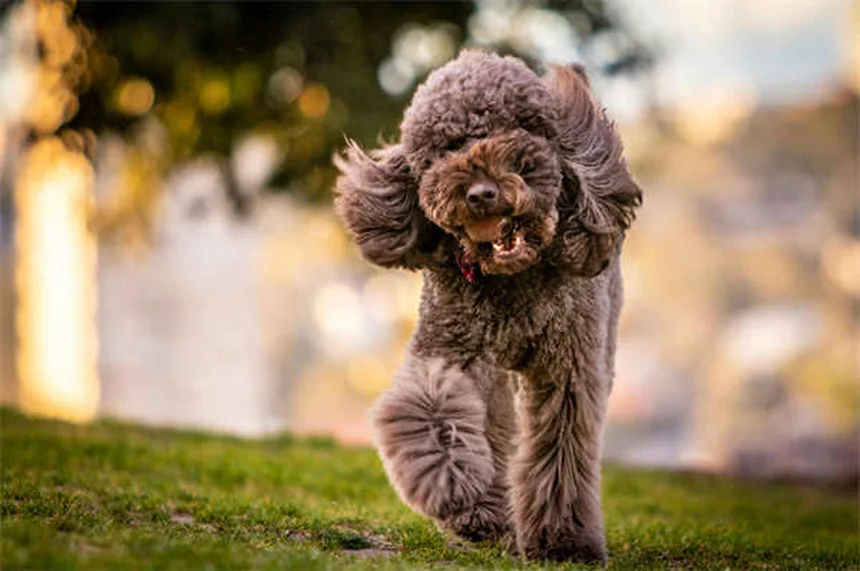
You've probably seen Bunny the Sheepadoodle going viral on TikTok with her impressive button skills. This isn't just a cute trick - it's opening doors to real two-way conversations with our canine companions. I mean, who wouldn't want their dog to say "I love you" or "Let's play" instead of just barking?
The Magic Behind the Buttons
How These Simple Devices Work
Picture this: a board with colorful buttons, each programmed with a specific word. When your dog presses "Outside", you hear a clear recording saying "outside". It's that simple! These buttons are based on technology originally developed for non-verbal humans, adapted perfectly for our four-legged friends.
Here's a quick comparison of popular button systems:
| Brand | Button Shape | Recording Time | Special Features |
|---|---|---|---|
| FluentPet | Hexagonal | 30 seconds | Color-coded by category |
| Hunger for Words | Circular | 10 seconds | Durable mat base |
| Mighty Paw | Square | 5 seconds | Water-resistant |
 Photos provided by pixabay
The Science That Makes It Possible
Did you know dogs can understand hundreds of words? Border Collie Chaser famously learned over 1,000 toy names! This proves our pups have incredible cognitive abilities we're just beginning to tap into.
The FluentPet system organizes buttons using the Fitzgerald Key - grouping words by category like objects, actions, and places. This smart design helps dogs remember button locations faster. Think of it like color-coding your closet - it just makes sense!
Getting Started With Your Dog
Is Your Pup Ready for Buttons?
Here's the million dollar question: Can any dog learn this? Absolutely! From tiny Chihuahuas to giant Great Danes, dogs of all breeds and ages can pick up button communication. It's all about patience and finding what motivates your particular pup.
Alexis Devine, Bunny's human, says even basic training like "sit" proves your dog can learn buttons. "If they understand cause and effect, they can learn this," she explains. The key is starting simple - "outside" and "play" are great first words.
Training Tips That Actually Work
Want to know the secret sauce? Modeling, modeling, modeling! Just like kids learn language by hearing us speak, dogs learn buttons by watching us use them. Press "play" then immediately start playing. Say "outside" while pressing the button before opening the door.
Here's what worked for Bunny's training:
- Started with just 3 buttons
- Used them consistently for 2 weeks
- Always followed through when she pressed one
- Added new words gradually
Common Mistakes to Avoid
 Photos provided by pixabay
The Science That Makes It Possible
Ever wonder why some dogs struggle with buttons? Often it's because we make these simple errors:
Moving too fast - Adding multiple buttons before your dog masters the first few is like throwing a toddler into calculus. Slow and steady wins the race!
Inconsistent responses - If you ignore the "outside" button sometimes but respond other times, your dog will get confused. Consistency is everything in this training.
Keeping It Fun and Effective
Remember, this should be enjoyable for both of you! If your dog walks away from the buttons, don't force it. Try again later when they're more engaged. And please - never physically push your dog's paw onto a button. That's a surefire way to make them hate the whole system.
Pro tip: Place the buttons where your dog already hangs out. Near their bed or favorite toy area works great. Out of sight really is out of mind for most pups!
The Future of Pet Communication
What Research Shows Us
With over 3,000 dogs participating in ongoing studies, we're learning amazing things about canine cognition. Some dogs are even combining buttons to form simple sentences! Imagine your dog saying "Play outside" instead of just barking at the door.
Here's an interesting finding: dogs often create their own button combinations we wouldn't expect. One clever pup started pressing "All done" + "Love you" when saying goodbye to visitors. How adorable is that?
 Photos provided by pixabay
The Science That Makes It Possible
Wait until you hear this - cats are getting in on the action too! Billi the cat has over 50 buttons and regularly tells her human things like "Mad" + "Now" when she's upset. Even some birds and rabbits are learning to use communication buttons.
This technology isn't just changing how we interact with pets - it's helping us understand their inner worlds better. And honestly, isn't that what every pet owner wants? To truly know what's going on in those furry little heads!
Ready to Start Your Button Journey?
Choosing the Right System
With several options on the market, how do you pick? Consider these factors:
• Your dog's size (bigger buttons for larger paws)
• Your home layout (where will you place them?)
• Your budget (starter kits begin around $50)
• Your commitment level (this takes daily practice)
Making It Work for You
The most important thing? Have realistic expectations. Your dog might master buttons in weeks...or months. Some take to it immediately while others need more time. And that's okay! Even if they only learn a few words, that's still more communication than you had before.
Remember to celebrate every small victory. The first time your dog presses a button correctly? Throw a party! Positive reinforcement makes all the difference in this training.
So what are you waiting for? Your dog has so much to say - why not give them the tools to say it? Who knows - you might just discover your pup is the next viral talking dog sensation!
Beyond the Basics: Advanced Button Communication
When Your Dog Starts Combining Words
You'll know you've hit the jackpot when your pup begins creating their own phrases with the buttons. It's like watching a toddler form their first sentences - absolutely magical! One owner reported their golden retriever combining "water" + "now" when thirsty during a hike.
Here's something fascinating - dogs often develop unique combinations we'd never predict. A border collie named Stella famously created "beach" + "love" to express her joy about ocean trips. These creative combinations reveal how dogs process information differently than humans.
Tracking Your Dog's Progress
Keeping a communication journal makes a huge difference. Jot down new button presses, combinations, and the context. You'll start noticing patterns - maybe your dog always asks for "walk" after dinner or says "play" when certain friends visit.
Consider this example from my own experience:
| Week | New Buttons Added | Most Used Button | Interesting Combinations |
|---|---|---|---|
| 1-2 | Outside, Play, Water | Play (23 presses) | None yet |
| 3-4 | Food, Bed, No | Food (37 presses) | Food + Now |
| 5-6 | Love You, All Done | Outside (42 presses) | Play + Outside |
Deepening Your Bond Through Communication
Understanding Your Dog's Personality
The buttons reveal so much about your dog's unique personality. Some pups turn out to be little comedians - pressing "no" when asked if they want a bath. Others show surprising thoughtfulness, like the lab who pressed "love you" when his owner was crying.
Ever wonder what your dog thinks about all day? The buttons give us clues! One poodle constantly asked about "grandma" when she was away, showing how dogs form attachments. Another dog surprised everyone by frequently pressing "happy" without prompting.
Resolving Behavior Issues
Here's where buttons really shine - they can help address problem behaviors. A dog who chewed furniture started pressing "bored" when left alone. The solution? More interactive toys. Another pup pressed "scared" during thunderstorms, leading his owner to create a safe space.
Buttons create a positive outlet for frustration too. Instead of barking for attention, dogs can say "play" or "pet." It's amazing how giving them a voice reduces unwanted behaviors naturally.
The Social Side of Button Communication
Connecting With Other Button Dogs
There's a whole community of button-using pups out there! Online groups share training tips and celebrate milestones. Some dogs even have "conversations" during playdates - pressing buttons back and forth. Imagine two dogs discussing which toy to play with!
Local meetups are popping up where button-savvy dogs can interact. Owners report their pets seem to understand each other's button presses. One hilarious moment? Two dogs kept pressing "treat" at each other until both got snacks.
When Visitors Come Over
Prepare for your dog to become the life of the party! Guests love interacting with button-using dogs. Teach friends to respond appropriately when your dog communicates - it reinforces the training. Just warn them your pup might ask for belly rubs...a lot.
Some dogs develop special buttons just for visitors. "Grandpa" or "Aunt Sarah" buttons let them greet favorite people. One clever pup created "baby" when his human sister was born - showing remarkable awareness of family changes.
Taking It to the Next Level
Customizing Your Button Set
As your dog progresses, you can get creative with specialized buttons. Consider adding:
• Names of favorite people
• Specific toys ("ball" vs "rope")
• Activities ("car ride" or "dog park")
• Emotional states ("happy" or "tired")
The possibilities are endless! One creative owner made a "where's dad?" button for her anxious rescue dog. Another added "medicine" for their senior pup's daily pills.
Technology Meets Dog Communication
New developments are making buttons even smarter. Some systems now connect to apps that track usage patterns. Imagine getting notifications when your dog says "outside" while you're at work - you could message your dog walker!
Future innovations might include buttons that light up when pressed or systems that learn from your dog's preferences. The day might come when we have dog-friendly touchscreens. Who knows what our pups will tell us then?
Real-Life Success Stories
Unexpected Benefits
Beyond communication, buttons have helped dogs in surprising ways. Shelter dogs using buttons get adopted faster - people connect with their personalities. Service dogs can better indicate when they need breaks. Even veterinary visits improve when dogs can say "hurt" or "scared."
One heartwarming story: A previously silent rescue dog pressed "love you" on his adoption day. His new family burst into tears. Buttons don't just help dogs communicate - they help us understand how deeply they feel.
When Things Get Philosophical
These conversations sometimes go deep. Dogs have asked existential questions like "why?" and "where?" One German shepherd pressed "friend" + "gone" when his canine companion passed away. These moments remind us that dogs ponder life's big questions too.
The most profound lesson? Dogs use buttons to express gratitude. Countless owners report their pups saying "thank you" after meals or walks. Maybe they've been trying to tell us these things all along - we just needed the right tools to listen.
E.g. :Washington Post article on "button dogs": Can dogs talk by pressing ...
FAQs
Q: How long does it take to train a dog to use talking buttons?
A: Training time varies, but most dogs start showing progress within 2-4 weeks of consistent practice. From my experience working with these systems, I've found that simpler words like "outside" or "play" are usually the first ones dogs master. The key is daily modeling - you need to press the buttons yourself while saying the words and performing the action. Some quick learners (especially food-motivated pups!) might pick it up faster, while others may need more time. Remember, every dog learns at their own pace, so don't get discouraged if yours isn't pressing buttons right away. The important thing is to make it fun and rewarding!
Q: What are the best first words to teach with dog talking buttons?
A: The best starter words are ones your dog already responds to in daily life. Based on success stories from trainers, I recommend beginning with 3-5 high-value words like "outside," "play," "food," "water," and "potty." These are concepts your dog already understands and has strong motivation to communicate about. Pro tip: Pay attention to what your dog already "tells" you through behavior - if they always bring you their ball, "play" would be a great first button. Avoid abstract concepts at first - stick to concrete things your dog can immediately experience after pressing the button.
Q: Can older dogs learn to use communication buttons?
A: Absolutely! Age isn't a barrier when it comes to learning button communication. In fact, many senior dogs take to buttons wonderfully because they've had years of learning human language patterns. The process might take a bit longer than with a puppy, but older dogs often have better focus and patience for training sessions. Just be mindful of any physical limitations - make sure the buttons are easy to press and placed at a comfortable height. I've worked with 12-year-old dogs who mastered buttons just as well as younger pups!
Q: How many buttons can a dog realistically learn?
A: While some superstar dogs like Bunny know 50+ buttons, most family pets do great with 10-20 well-chosen words. The number depends on your dog's individual learning style and how much time you can devote to training. It's better to have fewer buttons that your dog uses consistently than dozens they ignore. From what I've observed, dogs typically plateau at understanding about 30-40 words, but even knowing just 5-10 can dramatically improve your communication. Focus on quality over quantity - it's more valuable for your dog to reliably use a few buttons than to have many they rarely press.
Q: Do talking buttons work for breeds other than Border Collies?
A: Yes! While Border Collies (known for their intelligence) were early button stars, every breed from Pugs to Great Danes can learn this skill. I've seen successful button use across all types of dogs - what matters more than breed is your training approach and the individual dog's motivation. Some breeds might pick it up faster, but all dogs have the basic cognitive ability to associate buttons with actions. Even "stubborn" breeds like Bulldogs or independent ones like Shiba Inus can learn - you just might need to find the right motivation (usually food or play!). The key is adapting your training to your dog's unique personality.