
Essential Dog Hiking Gear: Must-Have Items for Your Trail Adventure
What should you pack when hiking with your dog? The answer is simple: you'll need specialized gear to keep your furry friend safe, comfortable and happy on the trails. As an experienced hiker who's logged hundreds of miles with my Labrador, I can tell you that proper preparation makes all the difference between an amazing adventure and a potential disaster.From my personal experience, the most critical items are a rugged leash, protective booties, and plenty of water. But that's just the beginning - I'll walk you through exactly what you need based on weather conditions, trail difficulty, and your dog's size. Whether you're planning a quick day hike or a multi-day backpacking trip, this guide will help you pack like a pro.
E.g. :7 Proven Ways to Keep Your Dog Calm on a Flight (Expert Tips)
- 1、Getting Your Pup Trail-Ready
- 2、Must-Have Leashes for Adventurous Pups
- 3、Collars That Can Handle Adventure
- 4、Harnesses: More Control, More Comfort
- 5、Specialty Gear for Unique Adventures
- 6、Packing Like a Pro
- 7、Training for Trail Success
- 8、Post-Hike Care
- 9、Trail Nutrition for Active Dogs
- 10、First Aid Essentials You Haven't Thought Of
- 11、Making Memories on the Trail
- 12、When to Call It Quits
- 13、FAQs
Getting Your Pup Trail-Ready
You know that excited look your dog gives you when you grab their leash? Multiply that by 10 when they realize you're taking them hiking! But before you hit the trails, let's make sure your furry explorer has everything they need for a safe and fun adventure.
Weather Considerations
Is your dog built for the weather conditions you'll face? This might sound like a silly question, but I've seen too many huskies struggling in summer heat and chihuahuas shivering in mountain air.
For hot weather hikes, consider these essentials:• Cooling vest or bandana• Extra water (at least 1 liter per 20 lbs of dog per hour)• Paw protection from hot surfaces
Distance Planning
Your couch potato pup might surprise you with their endurance, but build up distance gradually. Start with short 1-mile hikes before attempting that 10-mile mountain trek.
| Dog Size | Beginner Hike | Advanced Hike |
|---|---|---|
| Small (under 20 lbs) | 1-2 miles | 5 miles max |
| Medium (20-50 lbs) | 2-3 miles | 8 miles max |
| Large (50+ lbs) | 3-5 miles | 10+ miles |
Must-Have Leashes for Adventurous Pups
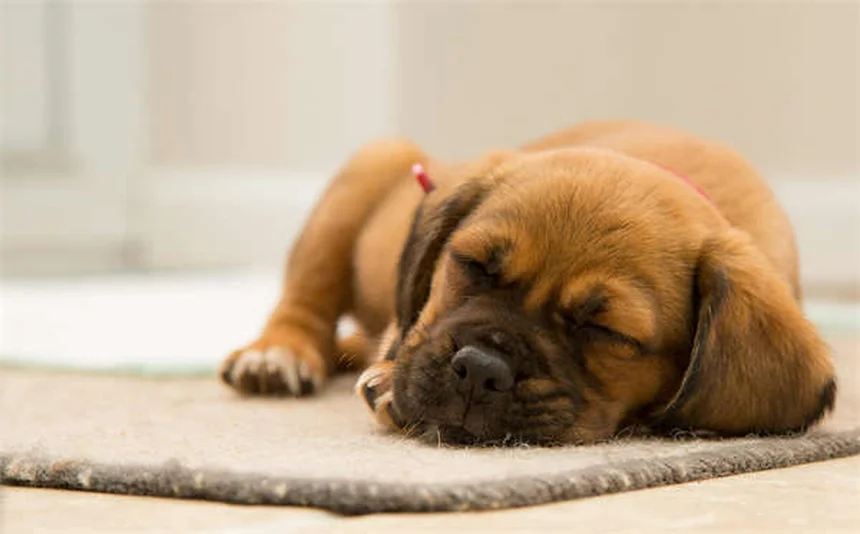
That flimsy leash you use for neighborhood walks? Leave it at home. Trail leashes need to handle rough terrain, excited pulling, and occasional tangles with bushes.
 Photos provided by pixabay
Best All-Around Leash
The Chai's Choice Premium Outdoor Adventure Leash gives your dog 6 feet of freedom while keeping them safely close. The padded handle saves your hands when Fido spots a squirrel!
Pro tip: Practice with new gear at home first. Nothing ruins a hike like a dog who won't walk because they're freaked out by their new equipment.
For Strong Pullers
If your dog thinks they're training for the Iditarod, the Tuff Mutt Rope Leash provides serious durability. The thick rope gives you better grip when you need to reel in your overexcited explorer.
Collars That Can Handle Adventure
Your dog's everyday collar might not cut it on the trails. We need something that stays put during all that sniffing, climbing, and possible swimming.
Smart Safety Features
What's the point of a collar if it comes off when you need it most? The GoTags Nylon Collar solves this with a secure buckle and reflective strips that make your dog visible from 500 feet away.
Remember to check the fit - you should be able to slip two fingers comfortably between the collar and your dog's neck. Too loose and it might slip off, too tight and it could chafe.
Harnesses: More Control, More Comfort
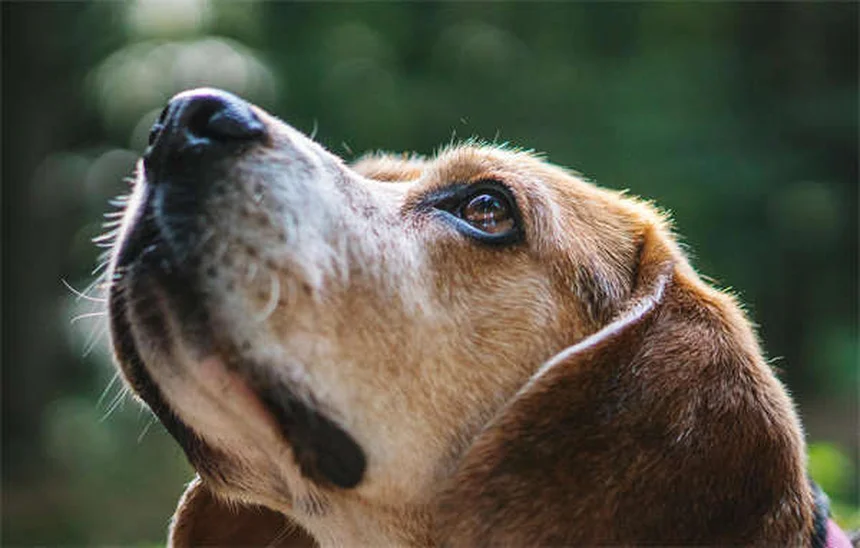
For dogs who pull or need help navigating tricky terrain, a good harness is worth its weight in kibble.
 Photos provided by pixabay
Best All-Around Leash
The PetSafe Easy Walk Harness gently discourages pulling without restricting movement. The front clip design gives you better steering control when navigating narrow trails.
For Adventure Dogs
If your pup needs occasional boosts over logs or rocks, the Chai's Choice Harness includes a sturdy handle. It's like having a built-in doggy tow rope!
Specialty Gear for Unique Adventures
Water Safety
The Frisco Ripstop Life Jacket isn't just for boating - it's perfect for any hike near water. The bright colors help you spot your swimmer, and the handles let you quickly grab them if they get in trouble.
 Photos provided by pixabay
Best All-Around Leash
The Nite Ize SpotLit Collar turns your dog into a glowing trail marker. Choose from multiple colors - great for identifying your pup if you're hiking with friends and their dogs.
Packing Like a Pro
You wouldn't go hiking without supplies, and neither should your dog. Here's what to pack in their adventure backpack:
- Water: Collapsible bowl + extra bottle
- Food: 25% more than their normal portions
- First Aid: Paw balm, tweezers, vet wrap
- Comfort: Lightweight travel bed
And don't forget the most important thing - plenty of treats! Hiking burns serious calories, and you'll want rewards for good trail behavior.
Training for Trail Success
Basic Commands
"Leave it" might save your dog from eating something dangerous. "Wait" prevents them from bolting down steep sections. Practice these at home first.
Trail Etiquette
Not everyone loves dogs as much as we do. Teach your pup to:• Yield to other hikers• Ignore wildlife• Approach other dogs only when invited
Post-Hike Care
After your adventure, check your dog thoroughly:
• Paws for cuts or thorns• Ears for ticks or debris• Coat for burrs or stickers
Offer plenty of water and let them rest - they've earned it! With the right preparation, hiking with your dog can create unforgettable memories and strengthen your bond.
Trail Nutrition for Active Dogs
Fueling the Adventure
You wouldn't run a marathon without proper nutrition, right? Well, hiking is your dog's marathon! Did you know dogs burn up to 50% more calories on trails than during regular walks? That's why we need to pack more than just treats.
For every hour of hiking, bring an extra 1/4 cup of kibble per 20 lbs of dog weight. High-protein snacks like freeze-dried liver or salmon bites provide quick energy boosts. And here's a pro tip - mix some wet food with water to create a hydrating "trail smoothie" for rest breaks.
Hydration Hacks
Dogs pant instead of sweat, which means they lose water faster than we do on hot days. I always carry two collapsible bowls - one for drinking, one for emergency paw soaking when surfaces get too hot.
Try this simple test: gently pinch the skin on your dog's shoulder. If it snaps back quickly, they're hydrated. If it moves slowly, it's time for a water break. Dehydration sneaks up fast on trails, so offer water every 15-20 minutes.
First Aid Essentials You Haven't Thought Of
The Unexpected Trail Kit
Sure, you've packed bandages and tweezers, but here are some unusual items that have saved my hikes:
• Non-stick gauze pads - perfect for makeshift paw boots if your dog cuts a pad• Children's Benadryl (check dosage with your vet first) - for unexpected allergic reactions• Tube socks - double as emergency leg warmers or paw protectors• Instant cold packs - for sprains or heat exhaustion
Reading Your Dog's Signals
Dogs hide pain instinctively, so we need to watch for subtle signs. Is your usually enthusiastic hiker lagging behind? That's their version of saying "I need a break." Other red flags include excessive panting when resting, refusing treats, or repeatedly lying down.
Here's a quick reference table for common trail issues:
| Symptom | Possible Cause | Quick Action |
|---|---|---|
| Limping | Paw injury, thorn, or muscle strain | Check paws, apply pressure if bleeding |
| Excessive drooling | Heat stress or nausea | Find shade, offer small sips of water |
| Sudden scratching | Bug bites or allergic reaction | Administer Benadryl if vet-approved |
Making Memories on the Trail
Adventure Photography Tips
We all want those perfect trail shots of our pups, but getting a border collie to pose is like herding cats! Here's what works for me:
• Bring their favorite squeaky toy to get their attention• Shoot during "golden hour" (first/last hour of sunlight)• Get down to their level for more engaging photos• Use burst mode to capture action shots
Why settle for blurry butt shots when you can get frame-worthy adventure photos? The secret is patience and lots of treats. I keep a special "camera treat" that's extra smelly and exciting just for photo sessions.
Creating Trail Traditions
My lab mix knows when we reach "cookie rock" - it's our halfway point where we always share a special snack. These little rituals make hikes more fun and help your dog learn the routine.
Some fun traditions to try:• Summit treats at the highest point• "Pawdicures" after checking for debris• Special post-hike massage with dog-safe CBD oil• Trail journal where you record your adventures together
When to Call It Quits
Recognizing Your Dog's Limits
Even the most energetic dogs have off days. If your normally enthusiastic hiker shows any of these signs, it's time to turn around:
• Refusing to move forward• Excessive panting that doesn't slow with rest• Repeatedly lying down or seeking shade• Glazed eyes or disorientation
Remember, dogs want to please us and will often push through discomfort. It's our job to be their advocate. I keep a mental checklist: "Is my dog having fun? Are they comfortable? Are they safe?" If any answer is no, we adjust our plans.
Alternative Adventures
Some days just aren't meant for long hikes, and that's okay! Here are some great Plan B activities:
• Sniffari walks - let your dog set the pace and explore smells• Swimming sessions - great low-impact exercise• Puppy picnic - combine short walks with relaxing breaks• New neighborhood exploration - novel smells without the mileage
The best adventures happen when we listen to our dogs and adapt. After all, they'd follow us anywhere - it's our job to make sure "anywhere" is safe and fun for them too!
E.g. :Ideal gear for dogs on the trail? : r/CampingandHiking
FAQs
Q: What's the most important gear for hiking with a dog?
A: The absolute essentials for any dog hike include a durable leash, proper collar with ID tags, and enough water. I never hit the trails without my Chai's Choice Adventure Leash - its reflective stitching has saved us multiple times when hiking past dusk. You'll also need a collapsible water bowl (I prefer the Highwave AutoDogMug) and at least 1 liter of water per 20 lbs of dog per hour of hiking. Trust me, I learned this the hard way when my Lab got dehydrated on a summer hike!
Q: How do I protect my dog's paws on rough terrain?
A: Paw protection is crucial, especially on rocky or hot trails. I swear by the Bark Brite Neoprene Boots - they provide excellent traction and prevent painful cuts. Before our first major hike, I spent weeks getting my dog accustomed to wearing them around the house. Pro tip: Always pack paw balm too! I've used it countless times to soothe cracked pads after long hikes.
Q: Should my dog wear a harness or collar for hiking?
A: For most hiking situations, a harness offers better control and comfort. My go-to is the PetSafe Easy Walk Harness because it discourages pulling without restricting movement. However, I always keep a sturdy collar (like the GoTags Reflective one) with updated ID tags as backup. If your hike involves water activities, a harness with a handle (like Chai's Choice) makes rescuing your dog much easier.
Q: How can I keep my dog visible during night hikes?
A: Visibility gear is non-negotiable for night hiking! I use the Nite Ize SpotLit Collar combined with the Lightvise Flashlight on the leash. This setup makes my black Lab visible from over 500 feet away. We've tested numerous options, and these provide the brightest, longest-lasting illumination. Remember - even if you don't plan to hike at night, having reflective gear is smart in case your adventure runs longer than expected.
Q: What emergency supplies should I pack for my dog?
A: My dog's first aid kit includes vet wrap, tweezers, antiseptic wipes, and the Adventure Medical Kits Dog Series. After encountering everything from bee stings to minor cuts on trails, I've learned to always be prepared. The kit's QuickClot has been a lifesaver for deeper cuts. I also pack a GPS tracker (Jiobit Gen 2) when exploring new areas - it's given me peace of mind when my curious Lab wanders a bit too far ahead.

Recommended
-
7 Proven Ways to Keep Your Dog Calm on a Flight (Expert Tips)
-
-
Recessed Vulva in Dogs: Symptoms, Treatment & Prevention Tips
-
Best Heartworm Meds for Dogs: Top 3 Options Compared (2024 Guide)
-
Best All-in-One Heartworm and Flea Pills for Dogs: Top 3 Choices Compared
-
Horse Grazing Muzzles: 5 Must-Know Facts for Healthy Pasture Management