7 Warning Signs Your Dog Is Dehydrated (And What to Do Now)
Is your dog dehydrated? The answer is: Dehydration in dogs is serious and can become life-threatening fast. As a dog owner myself, I know how scary it can be when your furry friend isn't feeling well. That's why I want to share with you the key signs of dehydration every pet parent should watch for.You might be surprised to learn that dogs lose water through their paws, panting, and even just breathing. When they lose more fluids than they take in, their whole system starts shutting down. I've seen too many cases where owners didn't recognize the symptoms until it was almost too late.In this guide, I'll walk you through exactly what to look for - from the simple skin pinch test to checking gum color. More importantly, I'll show you when it's time to rush to the vet versus when you can handle it at home. Because let's face it - our pups can't tell us when they're thirsty, so it's up to us to be their hydration heroes!
E.g. :Dog Tumor Removal Surgery: Costs, Recovery & What to Expect
- 1、Is Your Pup Getting Enough Water? Let's Talk Doggy Dehydration
- 2、Spotting Trouble: How to Check Your Dog's Hydration
- 3、Emergency! What to Do When Your Dog's Dehydrated
- 4、Why Do Dogs Get Dehydrated? Common Culprits
- 5、Puppy Problems: Special Dehydration Risks
- 6、Keeping Your Dog Hydrated: Pro Tips
- 7、Final Thoughts on Canine Hydration
- 8、The Hidden Dangers of Dog Dehydration You Might Not Know
- 9、Creative Ways to Get Your Dog to Drink More
- 10、When Water Isn't Enough: Electrolyte Solutions
- 11、Tech Gadgets That Help Monitor Hydration
- 12、Seasonal Hydration Challenges
- 13、Special Considerations for Senior Dogs
- 14、FAQs
Is Your Pup Getting Enough Water? Let's Talk Doggy Dehydration
What Exactly Is Dehydration in Dogs?
Picture this: your dog's body is like a water balloon that's slowly leaking. Dehydration happens when your furry friend loses more fluids than they take in. They lose water through panting, peeing, pooping, and even through their cute little paw pads!
Now here's something interesting - did you know that when dogs get dehydrated, their body's cooling system starts failing? It's like a car overheating without enough coolant. Their electrolytes (sodium, potassium, and chloride) get out of whack too, which are basically the body's electrical wiring that keeps everything running smoothly.
Why You Should Never Ignore Dehydration
Imagine going through your day without water - terrible, right? For dogs, it's even worse. Severe dehydration can actually make their organs shut down because their blood can't circulate properly. Puppies are especially at risk - they're like tiny water bottles that empty super fast with all their zoomies!
Here's a quick comparison of how different sized dogs show dehydration:
| Dog Size | Early Signs | Danger Signs |
|---|---|---|
| Small (under 20 lbs) | Less playful | Can't stand up |
| Medium (20-50 lbs) | Panting more | Sunken eyes |
| Large (50+ lbs) | Drinking lots | Collapsing |
Spotting Trouble: How to Check Your Dog's Hydration
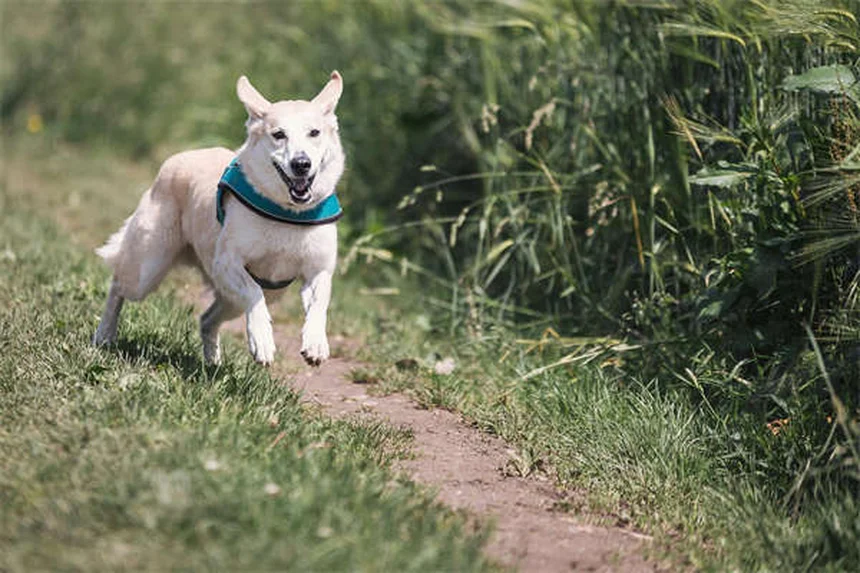 Photos provided by pixabay
The Skin Pinch Test - Your Dog's Elasticity Check
Gently pinch the skin on your dog's neck or shoulders. Well-hydrated skin snaps back like a rubber band, while dehydrated skin stays tented up like a tiny mountain. This "skin tent" is one of the clearest signs something's wrong.
Pro tip: Do this test when your dog is healthy first so you know what normal looks like. Every dog's skin is different - some breeds naturally have looser skin than others!
Gum Check - The Mouth Tells All
Healthy gums should look like pink bubblegum - moist and shiny. If they feel sticky like tape or look dry, that's trouble. But remember, some dogs naturally have darker gums, so focus more on the moistness than the color.
Here's a funny thought - ever notice how dogs will let you check their teeth when bribed with treats? Use that to your advantage for regular gum checks!
Other Red Flags You Can't Miss
• Dry nose (though some healthy dogs have naturally drier noses)
• Thick, sticky drool instead of watery saliva
• Eyes that look sunken in (like they've seen a ghost)
• Acting like they partied too hard - super tired and weak
Emergency! What to Do When Your Dog's Dehydrated
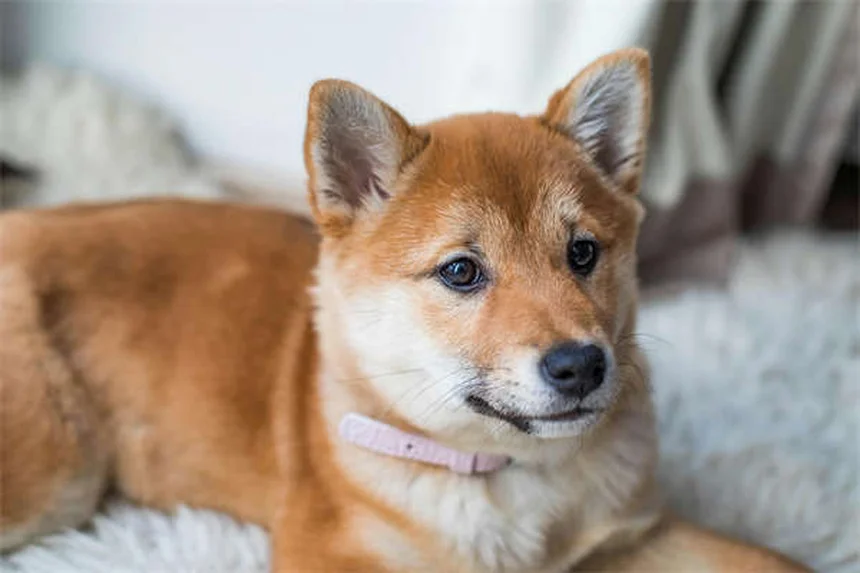 Photos provided by pixabay
The Skin Pinch Test - Your Dog's Elasticity Check
If it's just slight dehydration, offer small amounts of water frequently. Think teaspoon for tiny dogs, tablespoon for medium, quarter cup for big guys. Too much at once and they might barf it back up - not fun for anyone!
Ever seen a dog drink too fast and sneeze water everywhere? That's exactly what we're trying to avoid with small, frequent drinks.
When to Rush to the Vet
If your dog's acting like they ran a marathon in the desert (lethargic, vomiting, not eating), don't wait - call the vet immediately. Time matters more than you think with dehydration.
Did you know that by the time a dog shows obvious dehydration signs, they've already lost about 5% of their body water? That's like you losing 3 water bottles worth of fluids!
Why Do Dogs Get Dehydrated? Common Culprits
Heatstroke - The Silent Summer Killer
Here's a scary fact: cars can become ovens in minutes, even on mild days. I once saw a dog panting heavily after just 10 minutes in a parked car with windows cracked. Never risk it - leave them home with AC!
Brachycephalic (smush-face) breeds like pugs are especially vulnerable, but any dog can overheat. Remember, they're wearing fur coats year-round!
 Photos provided by pixabay
The Skin Pinch Test - Your Dog's Elasticity Check
When your dog has the "backdoor trots" or is vomiting, they're losing fluids fast. 24 hours of this means vet time - no exceptions. Their little bodies can't keep up with that kind of fluid loss.
Funny story: My neighbor's golden retriever once ate an entire bag of treats and... well, let's just say the carpet needed professional cleaning. The vet bills from dehydration treatment cost way more than those treats!
Puppy Problems: Special Dehydration Risks
Parvovirus - The Puppy Plague
Parvo turns happy puppies into sad, dehydrated raisin-dogs fast. Vaccination is literally lifesaving. Until fully vaccinated, treat public places like they're covered in invisible puppy poison.
Did you know parvo can survive in soil for years? That's why vaccination is so crucial - you never know what's lurking in that dog park grass.
Worms - The Unwanted Guests
Puppies often get worms from mom's milk (gross but true). These parasites steal nutrients and cause dehydration through diarrhea. Regular deworming is as important as puppy cuddles - maybe more so!
Here's a gross-but-true fact: some worms are visible in poop, but most need a microscope to spot. That's why vet checks are so important.
Keeping Your Dog Hydrated: Pro Tips
Water Bowl Wisdom
• Clean bowls daily (slime builds up fast!)
• Multiple water stations for multi-level homes
• Add ice cubes on hot days for fun hydration
• Consider a pet fountain - many dogs prefer running water
Ever notice how dogs always want YOUR water? Try using a human glass for their water - suddenly it becomes the most desirable drink in the house!
Food Matters Too
Wet food can boost hydration - it's like a water smoothie for dogs. For picky drinkers, try adding low-sodium broth to their water. Just avoid onions and garlic - those are toxic!
Fun fact: Dogs eating dry kibble need about twice as much water as those on wet food. That's why you'll see them drinking more after dinner.
Exercise Smarts
• Morning/evening walks in summer
• Bring water on all outings
• Watch for excessive panting
• Know when to call it quits
Remember that time you saw a dog carrying its own water bottle in a backpack? Okay, maybe not, but portable bowls are a real game-changer!
Final Thoughts on Canine Hydration
Keeping your dog hydrated isn't rocket science, but it does require attention. Watch for signs, prevent problems when possible, and act fast if something seems off. Your furry friend is counting on you to be their hydration hero!
Now go give your dog some fresh water - and maybe an extra belly rub for good measure. After all, a hydrated dog is a happy dog!
The Hidden Dangers of Dog Dehydration You Might Not Know
How Dehydration Affects Your Dog's Brain
Did you know that when dogs get dehydrated, their brain actually shrinks slightly? This can cause confusion and disorientation - you might notice your pup bumping into furniture or forgetting commands they usually know. It's like their GPS system is running on low battery!
Here's something fascinating - a study at Texas A&M University found that dogs with just 3% dehydration performed 20% worse on scent detection tests. That's like you trying to solve math problems after pulling an all-nighter!
The Surprising Link Between Hydration and Joint Health
You probably know water lubricates joints, but here's the kicker - chronic mild dehydration in dogs can accelerate arthritis development. The cartilage in their joints is about 80% water, and when they're not drinking enough, it's like driving a car with old, dried-out shock absorbers.
Large breed dogs are especially vulnerable. I've seen Great Danes who started limping after just two days of reduced water intake during a heatwave. Their joints basically turned into creaky door hinges!
Creative Ways to Get Your Dog to Drink More
Flavor Infusions That Actually Work
• Freeze low-sodium chicken broth into ice cubes (my Labrador goes nuts for these)
• Add a teaspoon of tuna water (the juice from canned tuna in water)
• Drop in a few pieces of their favorite fruit like watermelon or blueberries
Ever notice how dogs always want whatever you're drinking? Try putting their water in a clear glass instead of a bowl - suddenly it becomes the most interesting liquid in the house!
The Temperature Trick Most Owners Miss
Dogs actually prefer cool (not cold) water - about 50-60°F is ideal. Room temperature water collects more bacteria and loses oxygen, making it less appealing. I keep a pitcher in the fridge to refresh bowls throughout the day.
Here's a pro tip: In winter, slightly warm the water to take the chill off. Many dogs drink less when the water's too cold, just like how you might avoid icy drinks on a winter day.
When Water Isn't Enough: Electrolyte Solutions
Homemade Rehydration Recipes
For mild dehydration, try this vet-approved mix:
• 1 liter clean water
• 1 teaspoon salt
• 3 teaspoons sugar
• 1/2 teaspoon baking soda
But here's the catch - never give this to a vomiting dog. The salt can make nausea worse. It's like drinking a margarita when you have the flu - bad idea!
Commercial Products Worth Trying
Not all electrolyte solutions are created equal. Here's how the top brands stack up:
| Product | Taste Test | Electrolyte Balance | Price |
|---|---|---|---|
| Pedialyte | 3/5 (dogs prefer unflavored) | Excellent | $ |
| VetriLyte | 4/5 (beef flavor wins) | Perfect for dogs | $$ |
| Gatorade | 5/5 (dogs love the sweetness) | Too much sugar | $ |
Tech Gadgets That Help Monitor Hydration
Smart Water Bowls - Worth the Hype?
These high-tech bowls track how much your dog drinks and even send alerts to your phone. The Petlibro Granary is my top pick - it keeps water fresh with a filtration system and has a 3-liter capacity for big drinkers.
But let's be real - my terrier figured out how to make the sensor go off by repeatedly dipping his paw in the water. Sometimes low-tech solutions work best!
Wearable Hydration Trackers
New devices like the FitBark can estimate hydration levels by monitoring activity and rest patterns. When your dog's activity drops suddenly without explanation, it might signal dehydration before other symptoms appear.
Here's something cool - these trackers can create hydration reports for your vet visits. It's like giving your vet a hydration diary instead of trying to remember how much your dog drank last Tuesday!
Seasonal Hydration Challenges
Winter Dehydration - The Silent Threat
Most owners worry about summer, but winter dehydration is sneaky. Heated homes have dry air that sucks moisture from your dog's body, and snow doesn't provide enough liquid when they eat it (despite what they think!).
I always add an extra water bowl near radiators in winter. The warm location encourages drinking, and the water doesn't get too cold to deter them.
Travel-Related Dehydration Risks
Car rides and flights dehydrate dogs faster than you'd think. The motion and stress increase panting, and many dogs won't drink in moving vehicles. Always offer water every 2 hours during road trips.
Pro tip: Bring water from home when traveling. Some dogs refuse unfamiliar water - my aunt's poodle once went 12 hours without drinking at a hotel until she tried bottled spring water!
Special Considerations for Senior Dogs
Why Older Dogs Need Extra Attention
As dogs age, their thirst signals weaken - it's like their internal "drink now" alarm gets quieter. Kidney function also declines, meaning they can't conserve water as efficiently. I recommend setting phone reminders to check water bowls for seniors.
Here's a heartbreaking fact: Many owners mistake dehydration symptoms in older dogs for normal aging. That "slowing down" might actually be preventable with better hydration!
Medication Side Effects to Watch For
Common senior dog meds like diuretics or pain relievers can increase dehydration risks. Always ask your vet about water needs when starting new medications. I keep a medication chart that includes hydration notes for each prescription.
Funny story: My neighbor's arthritic Lab started drinking from the toilet after starting meds. Turns out he needed easier access to water - problem solved with an extra bowl in every room!
E.g. :Dehydration in Dogs: What to Know and Warning Signs
FAQs
Q: How can I tell if my dog is dehydrated at home?
A: Here's how I check my own dogs for dehydration: First, do the skin tent test - gently pinch the skin between their shoulder blades. If it doesn't snap back quickly, that's a red flag. Next, check their gums - they should be slick like wet paint, not sticky like tape. I also look for sunken eyes, thick drool, and excessive panting. My golden rule? If your dog's acting "off" and you're not sure why, always offer small amounts of water and call your vet. It's better to be safe than sorry when it comes to our furry family members!
Q: How much water should my dog drink daily?
A: As a general rule, dogs need about 1 ounce of water per pound of body weight each day. So my 50-pound Labrador needs roughly 6 cups daily. But here's what many owners don't realize - this includes water from food too! Wet food can provide up to 80% of their water needs. I always tell my clients: watch for sudden changes. If your dog starts drinking way more or less than usual, it could signal health issues. Keep multiple clean water bowls around and consider a pet fountain - many dogs prefer running water!
Q: What should I do if my puppy is dehydrated?
A: Puppies dehydrate scarily fast - I've seen it happen in just hours! If your pup shows signs like lethargy or dry gums, offer small amounts of water frequently (think teaspoon every 15 minutes). But here's the critical part: if they're vomiting, having diarrhea, or refusing water, don't wait - get to the vet immediately. Puppies can crash quickly from dehydration caused by parvo, worms, or eating foreign objects. I always recommend keeping unflavored pediatric electrolyte solution on hand for puppy emergencies - just check with your vet first!
Q: Can I give my dehydrated dog Gatorade?
A: While it might seem like a good idea, I never recommend giving dogs sports drinks like Gatorade. Here's why - the high sugar content can actually make dehydration worse by drawing more water into the gut. Instead, I suggest plain water or specially formulated canine electrolyte solutions. In my 10 years as a pet care professional, I've found that most dogs do better with ice chips or small amounts of low-sodium chicken broth. Remember: if your dog is severely dehydrated, they need veterinary care with IV fluids - no home remedy will cut it!
Q: How can I prevent my dog from getting dehydrated?
A: Prevention is always better than treatment! Here's my top hydration checklist that I use with my own dogs: 1) Clean water bowls daily (slime builds up fast!), 2) Add ice cubes to water in summer, 3) Bring water on all outings - I keep a collapsible bowl in my car, 4) Watch for increased panting, 5) Feed some wet food for extra moisture. Pro tip from my vet: For dogs who don't drink enough, try placing water bowls in multiple locations - some dogs are just picky about where they drink!