Dog Socialization: 5 Key Signs Your Pup Wants Space From Other Dogs
Does your dog avoid other dogs? The answer is: It's completely normal for some dogs to prefer solitude! Just like humans, our canine companions have unique personalities - some are social butterflies while others are happy being lone wolves. The key is understanding your dog's body language. If you notice flattened ears, lip licking, or avoidance when other dogs approach, your pup might be saying no thanks to playtime. Forcing interactions can actually increase stress, similar to how you'd feel trapped in an awkward conversation. The good news? With proper mental stimulation and quality time with you, even non-social dogs can lead incredibly fulfilling lives. Let's decode what your dog's behavior really means!
E.g. :5 Proven Ways to Calm Your Hyperactive Dog Naturally
- 1、Understanding Your Dog's Social Behavior
- 2、The Science Behind Dog Socialization
- 3、Practical Socialization Techniques
- 4、When to Seek Professional Help
- 5、Creating a Happy Life for Your Dog
- 6、Beyond Basic Socialization
- 7、The Human Role in Dog Socialization
- 8、Technology and Dog Socialization
- 9、Seasonal Considerations
- 10、The Aging Dog's Social Needs
- 11、FAQs
Understanding Your Dog's Social Behavior
Reading Your Dog's Body Language
Let's play detective for a moment. When your dog meets other pups, what's really going on? Watch closely - does your furry friend turn away, lick his lips, or flatten his ears? These are clear signs he's saying "no thanks" to social hour.
Now here's something interesting - dogs have their own version of small talk. Some will sniff hello then walk away, completely satisfied with that brief interaction. Others might bark or growl, which is like shouting "Back off!" in dog language. The key is observing these subtle cues before deciding if your pup needs socialization help.
When Socializing Isn't Necessary
Think about your own social preferences. Do you enjoy chatting with every stranger at a party? Probably not. Dogs are the same! Some are social butterflies, others prefer quiet companionship.
Here's a quick comparison of dog social types:
| Social Type | Behavior | What It Means |
|---|---|---|
| The Social Butterfly | Wags tail, approaches willingly | Loves meeting new dogs |
| The Selective Friend | Sniffs then walks away | Prefers familiar dogs |
| The Lone Wolf | Avoids contact completely | Happy being solo |
The Science Behind Dog Socialization
 Photos provided by pixabay
The Golden Window for Puppy Socialization
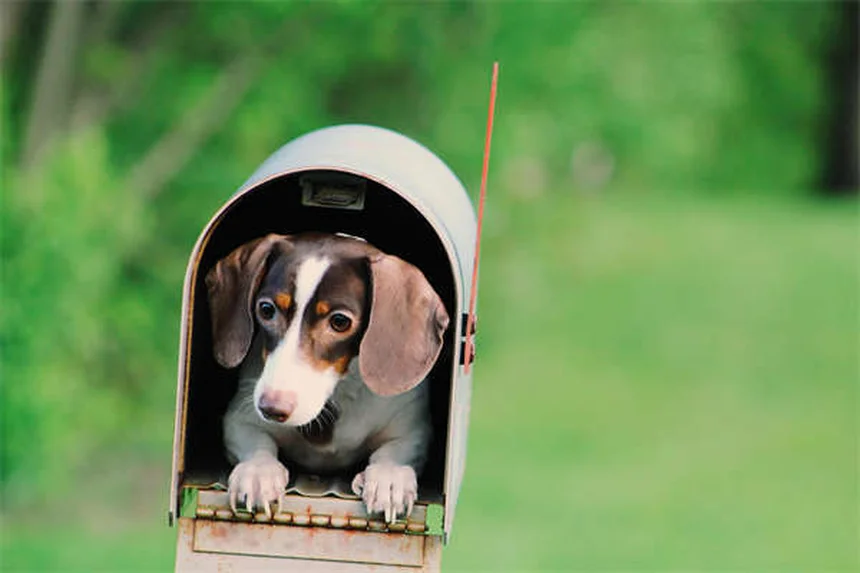
Did you know puppies have a critical learning period between 3-12 weeks? This is when they're most open to new experiences. It's like their freshman year of doggy college - everything is new and exciting!
During this time, positive encounters with other dogs create lasting impressions. A puppy who meets friendly, calm dogs during this period will likely grow up comfortable around others. But remember - quality matters more than quantity. One good experience beats ten stressful ones.
Nature vs. Nurture in Dog Behavior
Here's a question that might surprise you: Can you really change your dog's social personality? The answer is both yes and no. Genetics play a huge role - some breeds are naturally more social than others.
But environment matters too! A well-socialized shy breed might become more confident, while a naturally social dog can become fearful if traumatized. It's about finding the right balance for your individual pup.
Practical Socialization Techniques
Making Positive Associations
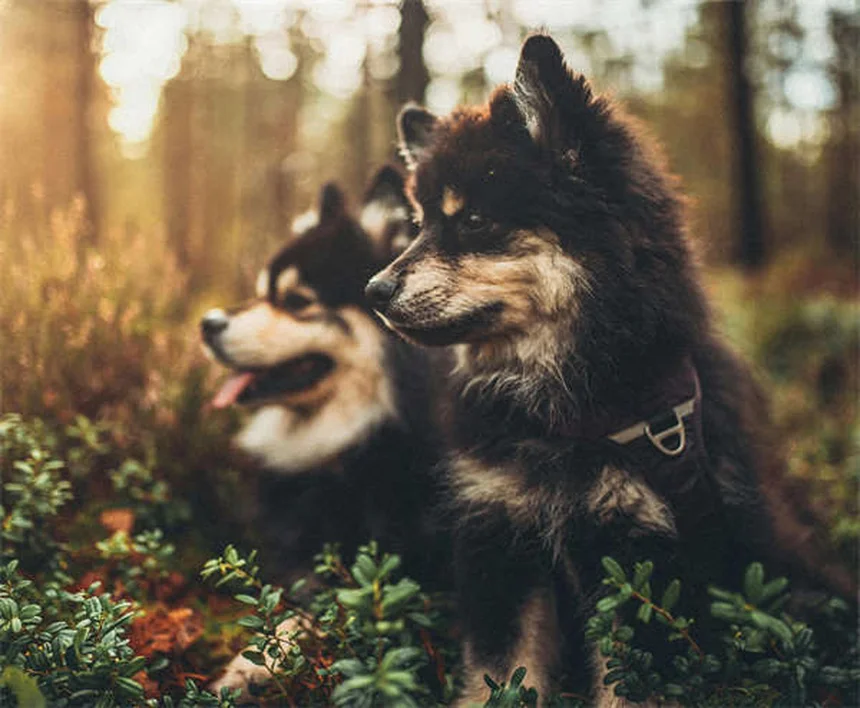
Want to help your dog feel better about others? Try this pro tip: always carry high-value treats. When another dog appears, give your pup something delicious. Over time, they'll associate other dogs with good things!
Start with distant, calm dogs and gradually decrease distance as your dog becomes comfortable. Remember - we're building confidence, not forcing friendships. Even just tolerating other dogs nearby is progress.
 Photos provided by pixabay
The Golden Window for Puppy Socialization
Forget dog parks - they're like middle school cafeterias for pups! Instead, arrange one-on-one playdates with known, calm dogs. Keep initial meetings short (5-10 minutes) and always supervise.
Watch for play bows (front end down, butt in the air) - this is dog for "Let's play!" But if you see stiff body language or hear growling, it's time for a break. Not all dogs will be best friends, and that's okay!
When to Seek Professional Help
Recognizing Serious Issues
Is your dog showing extreme fear or aggression? This isn't just shyness - it's a red flag. Forcing interactions could make things worse, like making someone with a fear of heights skydive!
A certified behaviorist can assess whether your dog's reactions stem from fear, past trauma, or medical issues. They'll create a customized plan that respects your dog's limits while gently expanding their comfort zone.
Accepting Your Dog's Personality
Here's the truth bomb: not all dogs need dog friends. Just like humans, some prefer quiet companionship with their favorite people. And that's perfectly fine!
The goal isn't to turn every dog into a social butterfly, but to help them feel safe and confident in their world. Whether that includes other dogs or not depends entirely on your individual pup's needs and preferences.
Creating a Happy Life for Your Dog
 Photos provided by pixabay
The Golden Window for Puppy Socialization
No dog friends? No problem! Mental stimulation through training, puzzle toys, and new experiences can be just as rewarding. Try these alternatives:
- Nose work games (hide treats around the house)
- Obedience training sessions
- Solo play with interactive toys
- Quiet cuddle time with you
The Importance of Choice
Always give your dog an "out" in social situations. If they walk away from another dog, respect that decision. Forced interactions break trust and increase stress.
Remember - a happy dog is one who feels understood and respected. Whether that means playdates at the park or quiet evenings at home depends entirely on your unique canine companion!
Beyond Basic Socialization
The Power of Scent Communication
You know how we humans shake hands? Well, dogs have something way cooler - nose-to-butt introductions. It might look funny to us, but sniffing is like reading a doggy Facebook profile! They can learn about age, gender, health status, and even mood through scent.
Here's something fascinating - dogs have a special organ called the vomeronasal organ that processes these chemical messages. When you see your dog licking the air or making that funny "flehmen response" face, they're actually analyzing scents more deeply. This explains why dogs get so much information from just a quick sniff!
Understanding Play Styles
Not all dogs play the same way - some are rough-and-tumble wrestlers while others prefer gentle chase games. Recognizing these differences can prevent misunderstandings between dogs.
Check out these common play styles:
| Play Type | Typical Behaviors | Best Match |
|---|---|---|
| Wrestler | Body slams, mouthing, rolling | Other wrestlers |
| Chaser | Running, quick turns, tag | Other chasers |
| Observer | Watches, occasional joins | Gentle players |
The Human Role in Dog Socialization
Your Energy Affects Your Dog
Ever notice how your dog seems to sense when you're nervous? That's because they're masters at reading human body language. If you tense up when another dog approaches, your pup thinks "Uh oh, mom's worried - this must be dangerous!"
Here's a pro tip: practice relaxed breathing during dog encounters. Keep your leash loose (no tension!) and use a cheerful voice. Your calm confidence helps your dog feel safer in social situations. Remember, you're their emotional anchor!
Socialization Beyond Other Dogs
Wait - did you think socialization only means interacting with other dogs? That's only part of the picture! True socialization means helping your dog feel comfortable in their entire environment.
This includes:- Different surfaces (grass, pavement, sand)- Various sounds (traffic, sirens, children playing)- Strange objects (umbrellas, wheelchairs, balloons)- All types of people (hat wearers, bearded folks, kids)
Technology and Dog Socialization
Using Videos for Controlled Exposure
Here's a clever trick - you can use YouTube videos of dogs to help desensitize your pup! Start with muted videos of calm dogs at low volume, gradually increasing as your dog remains relaxed. This gives you complete control over the "social" experience.
Pair these sessions with high-value treats to create positive associations. Over time, real-life dog encounters will seem less intimidating. Technology can be a powerful training tool when used wisely!
Social Media for Responsible Meetups
Facebook groups and neighborhood apps are great for finding compatible playmates. Look for groups that require vaccination proof and temperament screening - these create safer environments for controlled socialization.
When arranging meetups, always:1. Choose neutral territory2. Keep initial meetings short3. Have an exit strategy4. Bring plenty of treats5. Watch for stress signals
Seasonal Considerations
Summer Socialization Challenges
Hot weather brings unique socialization hurdles. Pavement burns, dehydration, and heat exhaustion can make dogs irritable. Early morning or evening playdates are best during summer months.
Don't forget about seasonal hazards like:- Bee stings (some dogs try to catch them!)- Fireworks (loud noises can create fear)- Pool safety (not all dogs can swim)- BBQ dangers (keep skewers and bones away)
Winter Socialization Strategies
Cold weather doesn't mean socialization stops! Indoor options include:- Doggy daycare (trial sessions first)- Pet store visits (great for controlled encounters)- Training classes (structured socialization)- Indoor dog sports (rally, nose work)
For outdoor winter play, watch for:- Ice between paw pads- Antifreeze poisoning risks- Hypothermia signs (shivering, lethargy)- Salt irritation on paws
The Aging Dog's Social Needs
Changing Social Preferences
Just like humans, dogs often become less social as they age. Your once-friendly pup might now prefer quiet companionship. This is completely normal! Respect their changing needs while still providing gentle mental stimulation.
Signs your senior dog needs less socialization:- Avoiding younger, energetic dogs- Sleeping more after interactions- Showing irritation with familiar dogs- Seeking solitude after play
Special Considerations for Elderly Dogs
Older dogs with arthritis or vision/hearing loss need extra care in social situations. They might startle more easily or move slower than younger dogs. Consider:
- Shorter, calmer play sessions- Familiar playmates only- Soft surfaces for play areas- Frequent breaks- Close supervision
E.g. :What to Do When Your Dog Won't Socialize With Other Dogs - easyvet
FAQs
Q: How can I tell if my dog doesn't like other dogs?
A: Watch for these clear signals: If your dog turns his head away, licks his lips frequently, or moves away when another dog approaches, he's communicating discomfort. Some dogs might even show "whale eye" (where you see the whites of their eyes) or tuck their tail. These are all doggy ways of saying "I need space." Remember, avoidance behaviors are different from aggression - a dog who simply doesn't want to interact isn't necessarily fearful or problematic. The key is respecting your pup's preferences while ensuring he gets proper exercise and mental stimulation in ways he enjoys.
Q: Is it bad if my dog doesn't play with other dogs?
A: Not at all! Many dogs are perfectly content without canine companionship. Think about it - would you judge a human for preferring a good book over a crowded party? Dogs have individual personalities too. What matters most is that your dog gets appropriate physical exercise (like walks or fetch) and mental stimulation (through training or puzzle toys). Some breeds, like Shiba Inus or Chow Chows, are naturally more independent. As long as your dog isn't showing signs of stress in daily life and has a strong bond with you, his lack of interest in other dogs is completely normal.
Q: Can I socialize my adult dog to like other dogs?
A: While puppy socialization (3-12 weeks) is ideal, you can help adult dogs become more comfortable around others - but there are limits. Start by creating positive associations from a distance: when another dog appears, immediately give your pup high-value treats. Gradually decrease distance over multiple sessions. However, it's crucial to understand your dog's baseline personality. Genetics play a huge role - you can't turn a naturally aloof breed into a social butterfly. The goal should be helping your dog feel calm around others, not forcing friendships. Always watch for stress signals and be ready to walk away.
Q: What should I do if my dog growls at other dogs?
A: Growling is communication - your dog is saying "I'm uncomfortable." Never punish growling, as this removes your warning system and could lead to biting without signals. Instead, immediately create space between your dog and the trigger. For chronic issues, consult a certified behaviorist who can determine if it's fear-based, territorial, or another cause. Meanwhile, avoid dog parks and stick to controlled environments. Some dogs simply need to be "only children" - and that's okay! Management (like walking at quiet times) is often better than forced socialization attempts that increase stress.
Q: How much socialization does a dog really need?
A: The answer might surprise you: Zero required dog friends! While early positive exposures help prevent fearfulness, adult dogs don't need canine playmates to be happy. Quality matters far more than quantity. Even just a few positive experiences can be enough. Focus on your individual dog's needs - some thrive with weekly playdates, others prefer exclusively human companionship. The most important socialization is teaching your dog to remain calm in various environments, not necessarily interact. Remember, a well-exercised, mentally stimulated dog who chooses to avoid others is just as "normal" as a social one!